Shihan's Magical World
I studied calligraphy and painting, especially traditional Chinese painting, when I was a child. My childhood art education shaped my personality and creativity, and also the way I perceive the world.
Calligraphy and painting are my personal playground for creativity and self-expression alongside my academic pursuits.
Welcome to my magical world!
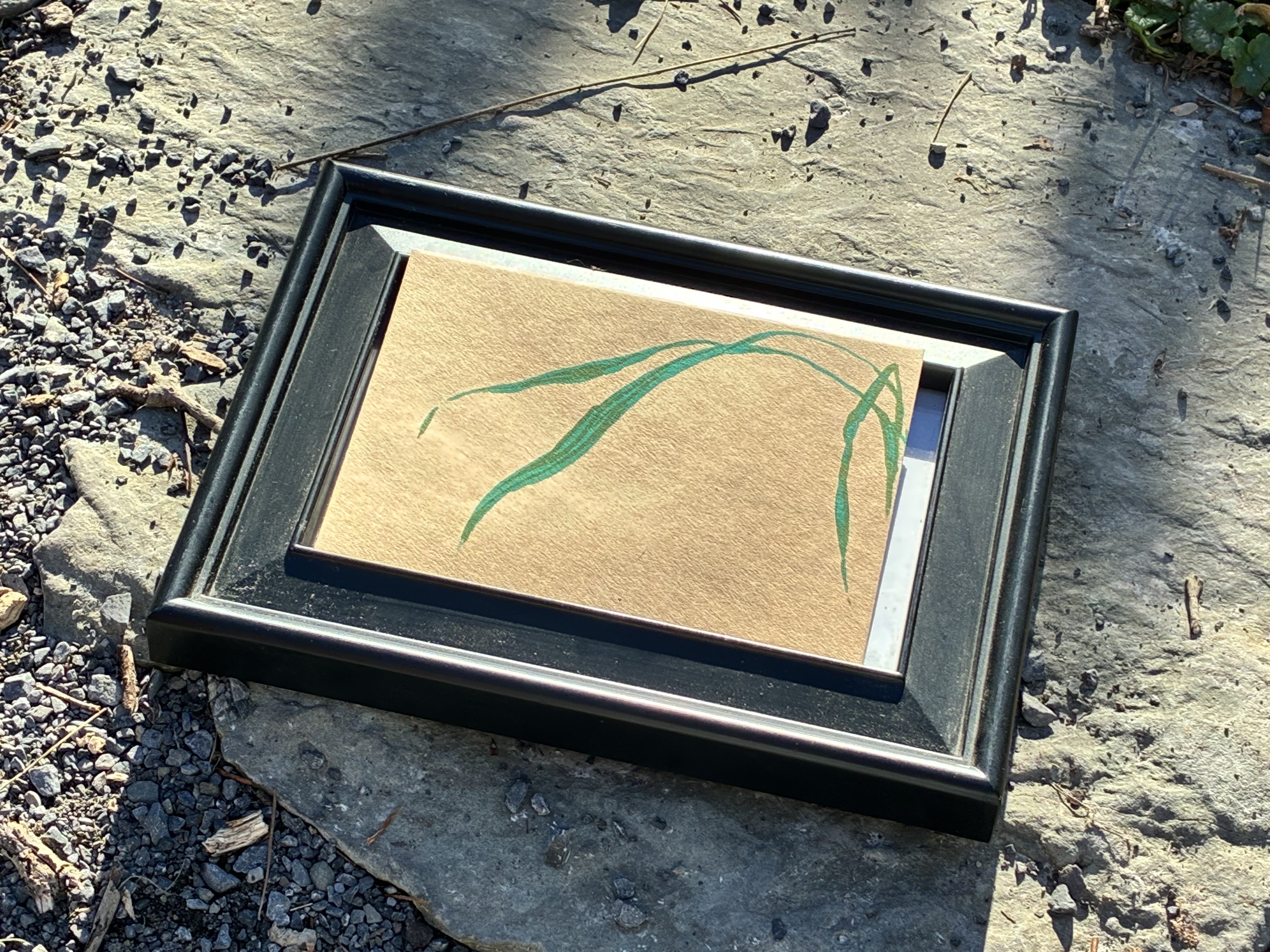
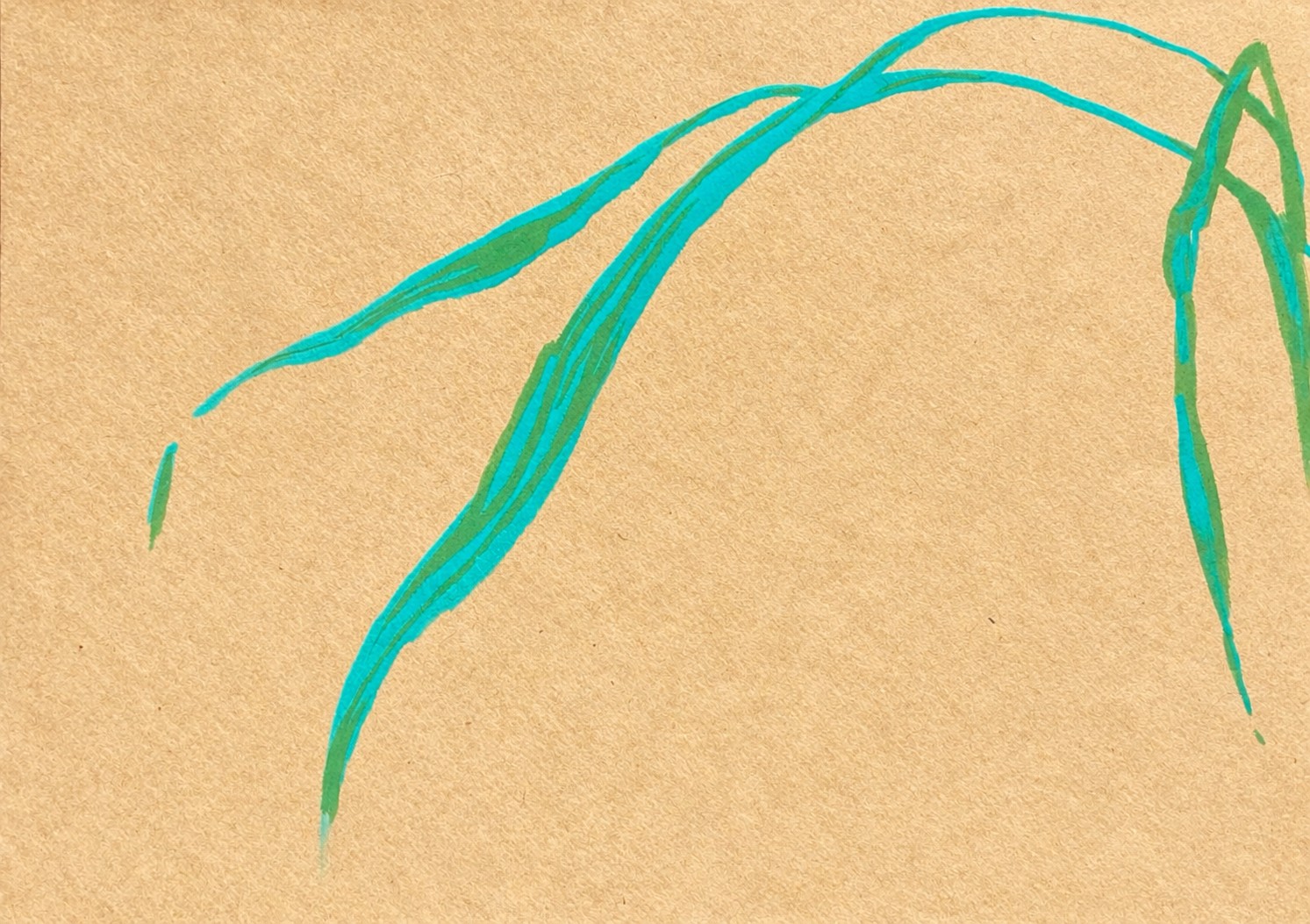
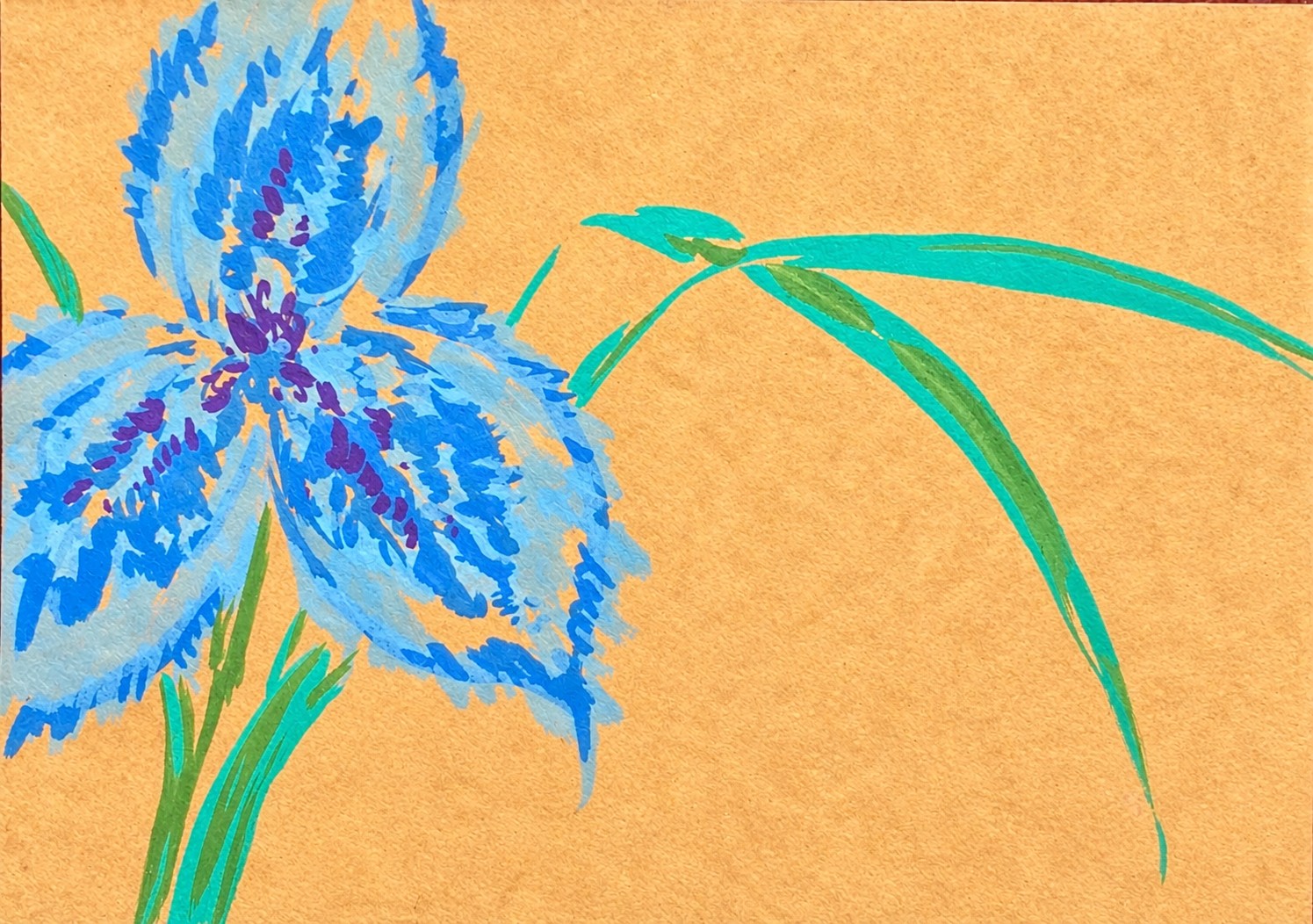
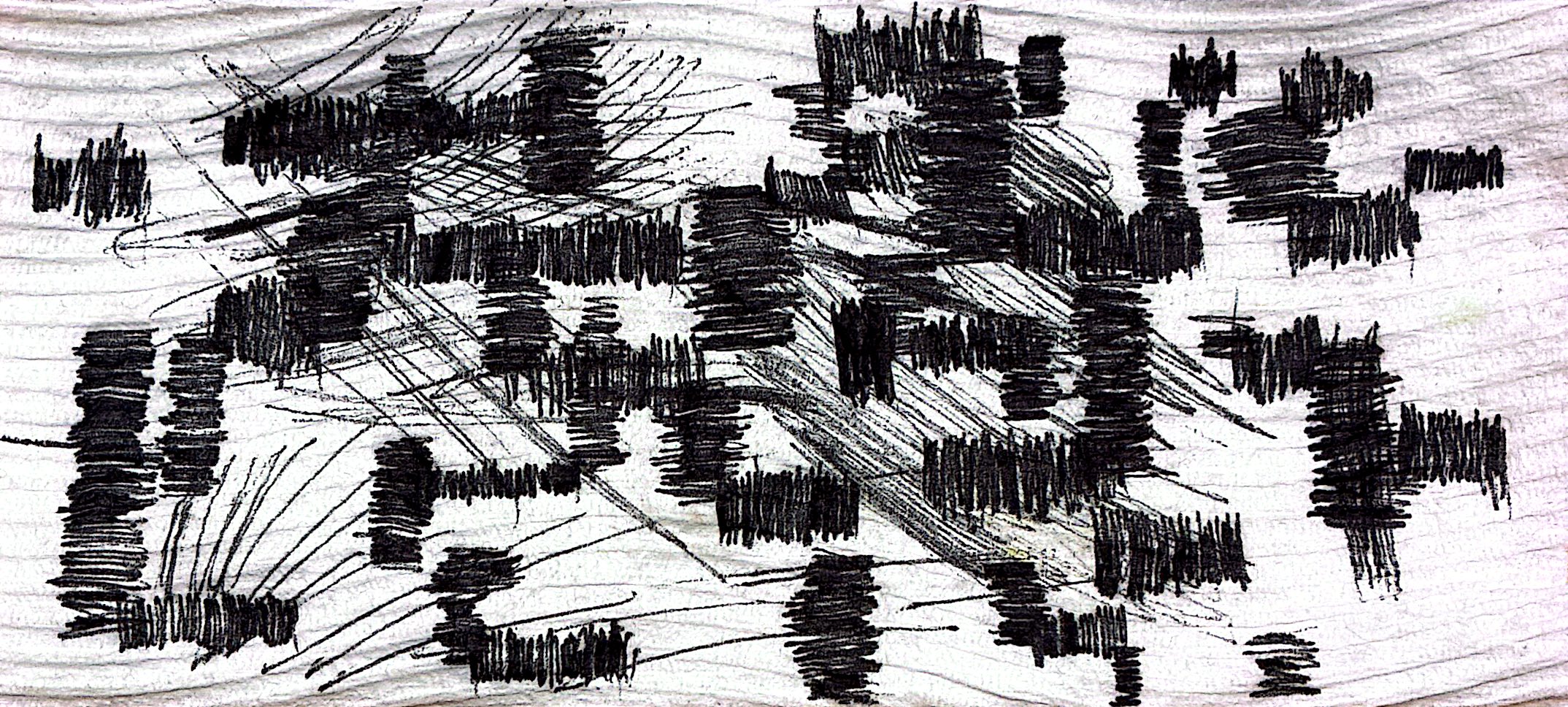
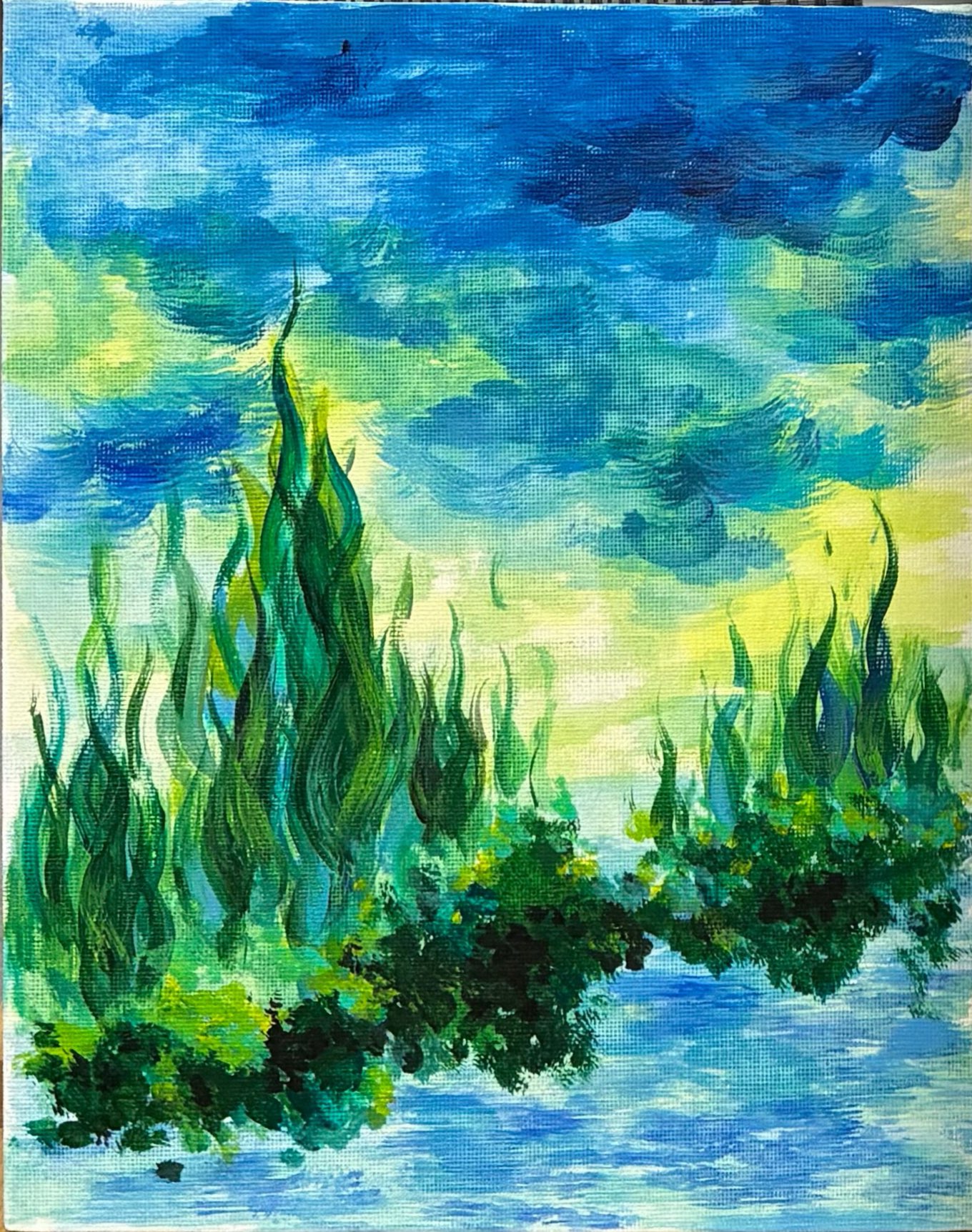
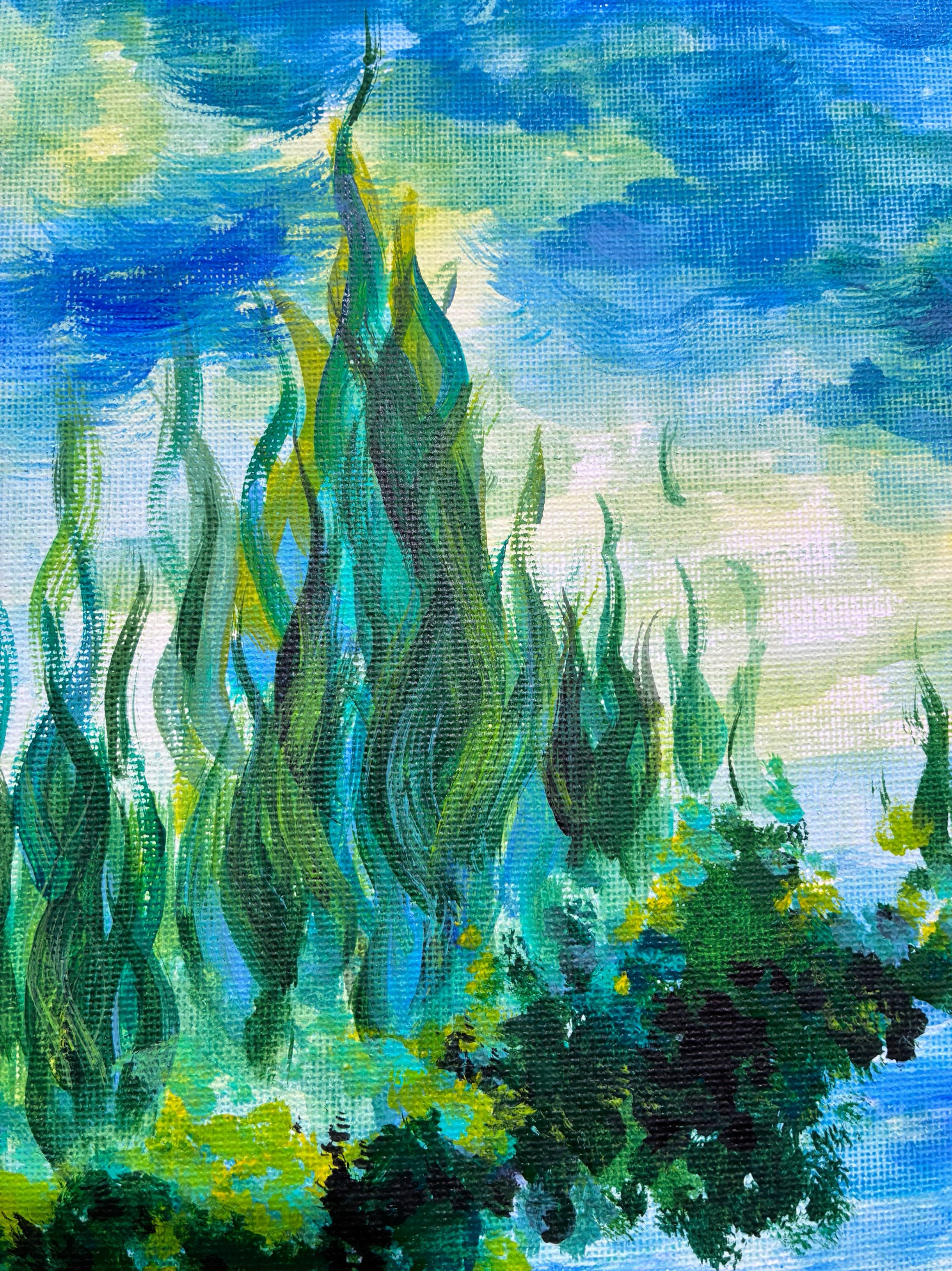
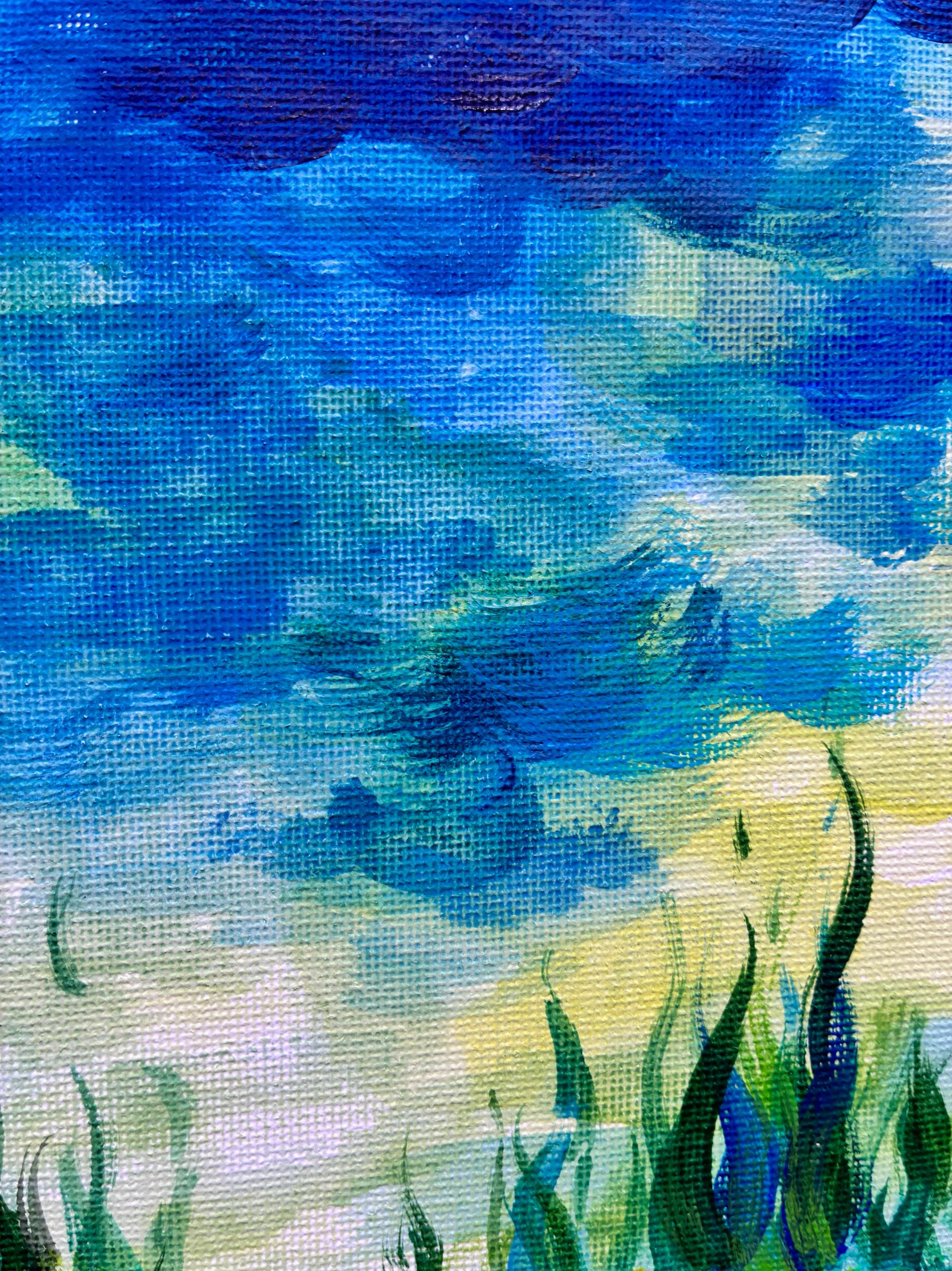
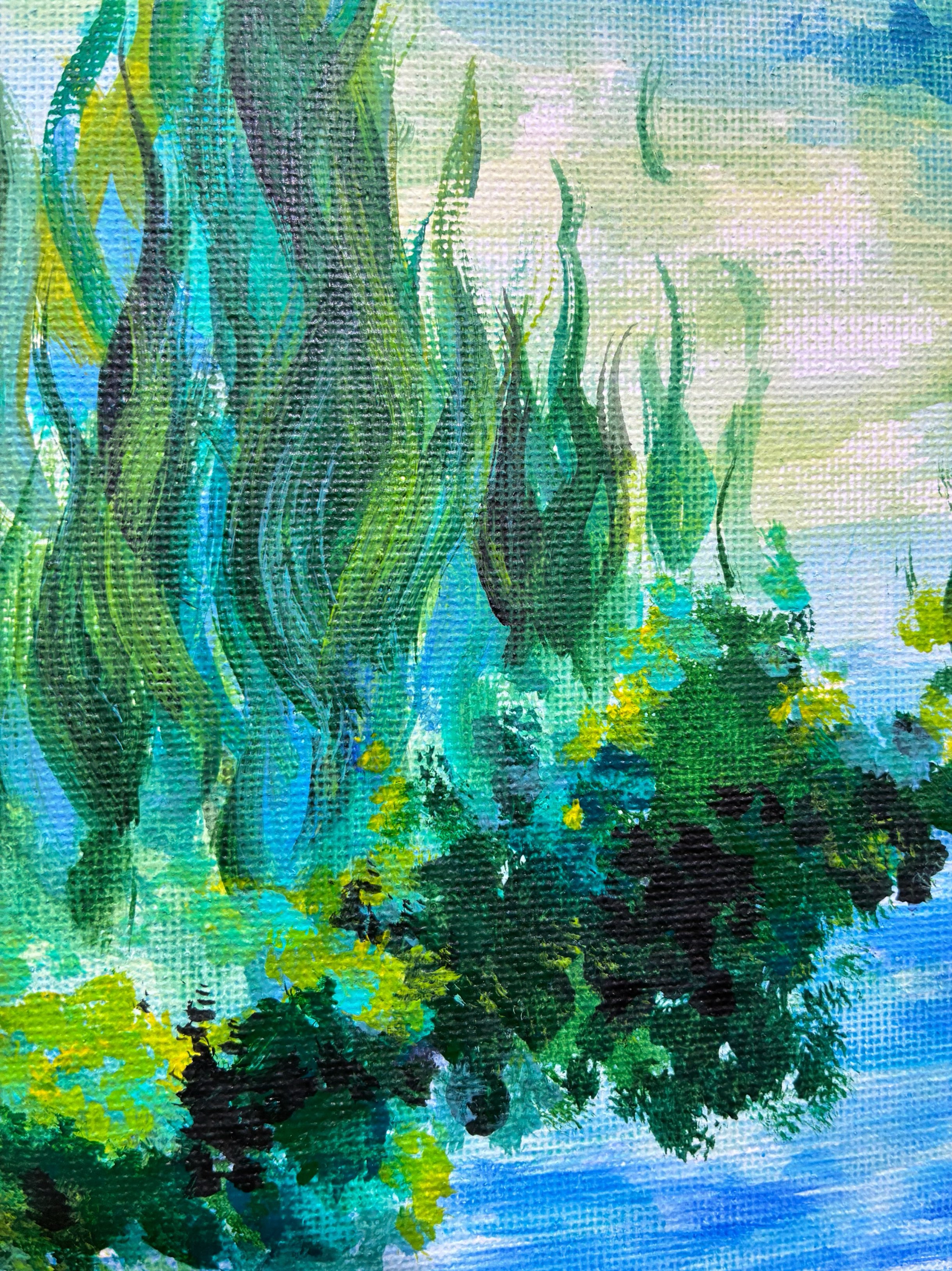
The Space Between (2026-9)
Acrylic on canvas. Painted during Big Red Barn Paint Night at Cornell University.
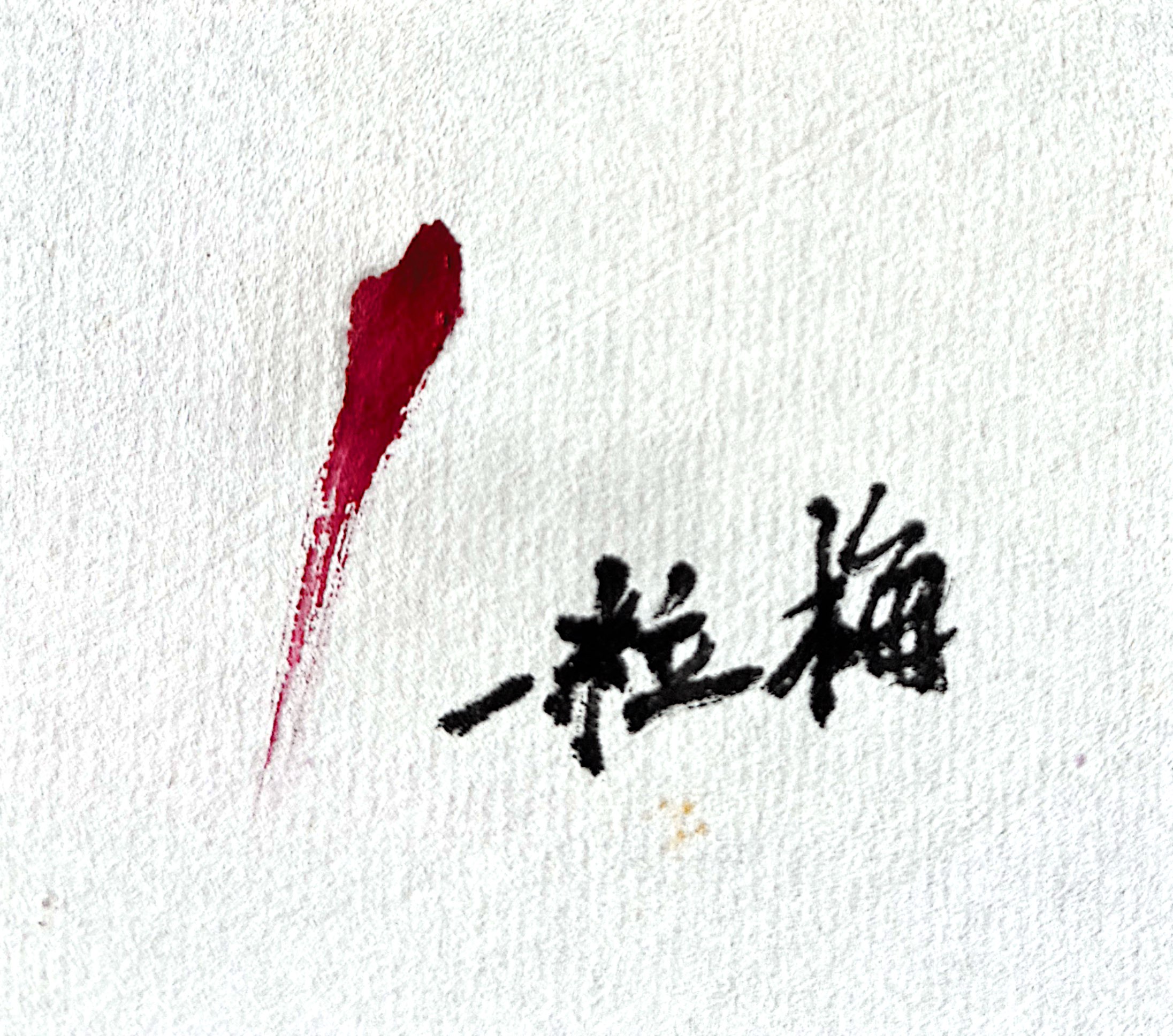
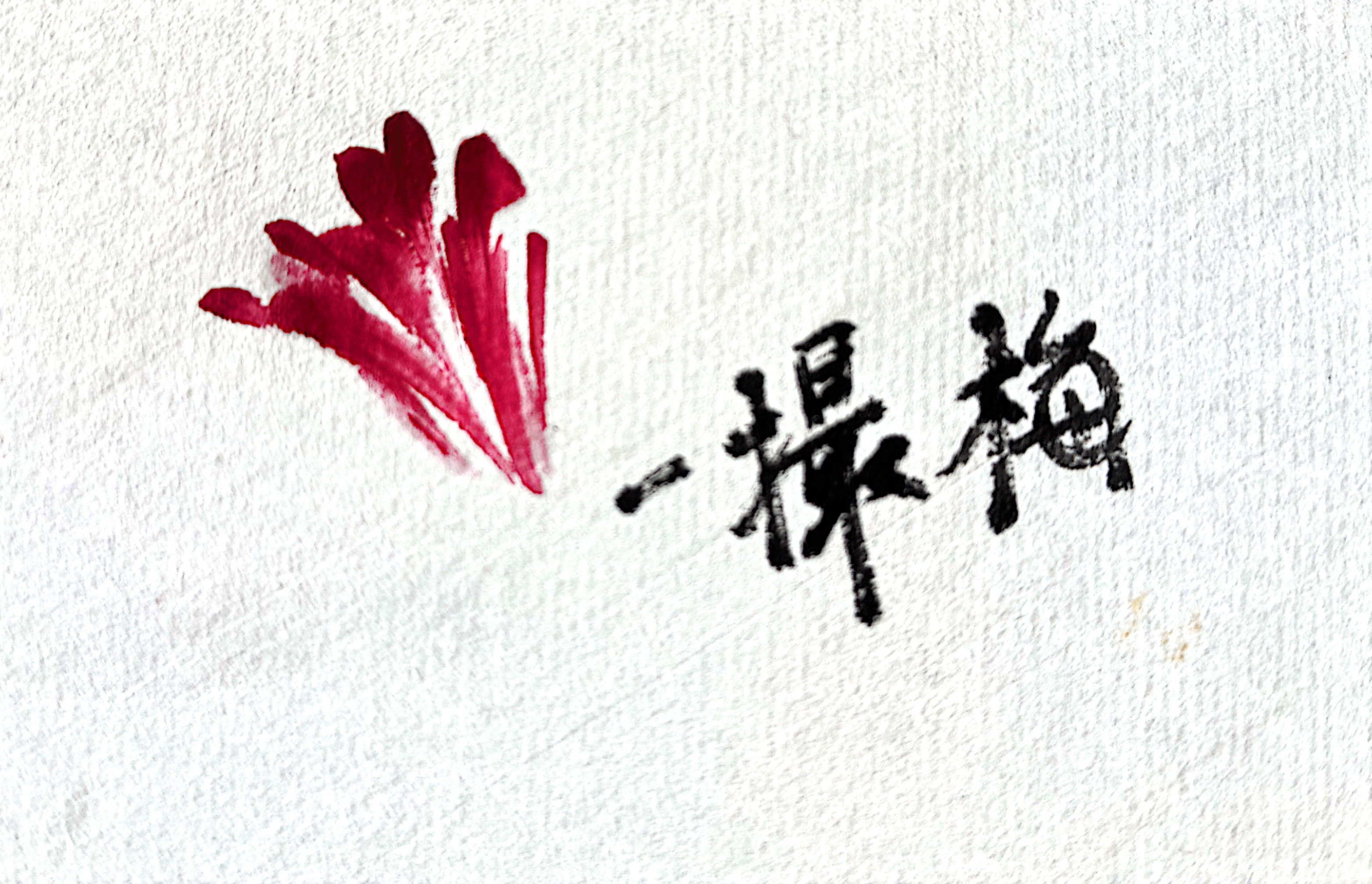
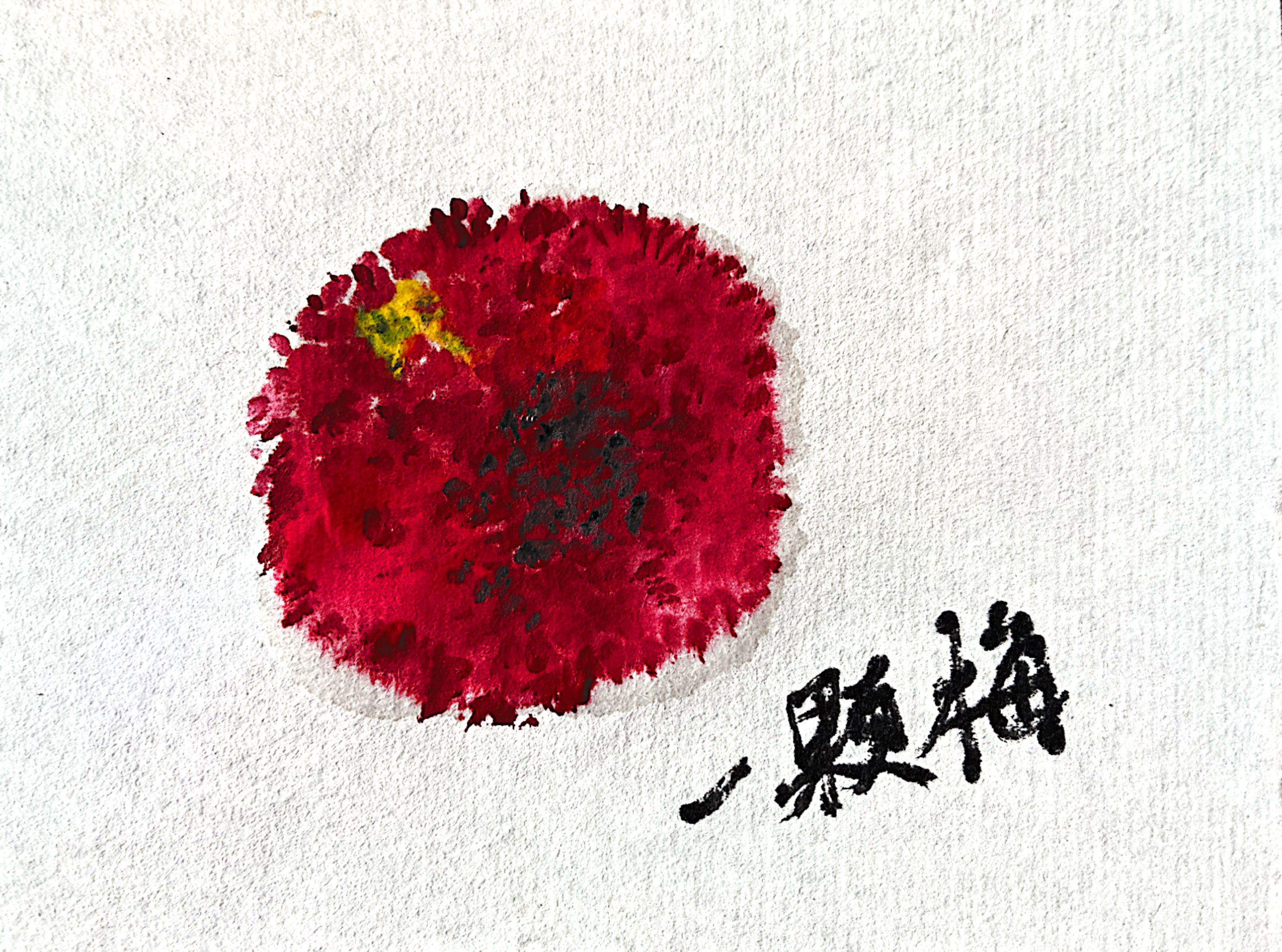
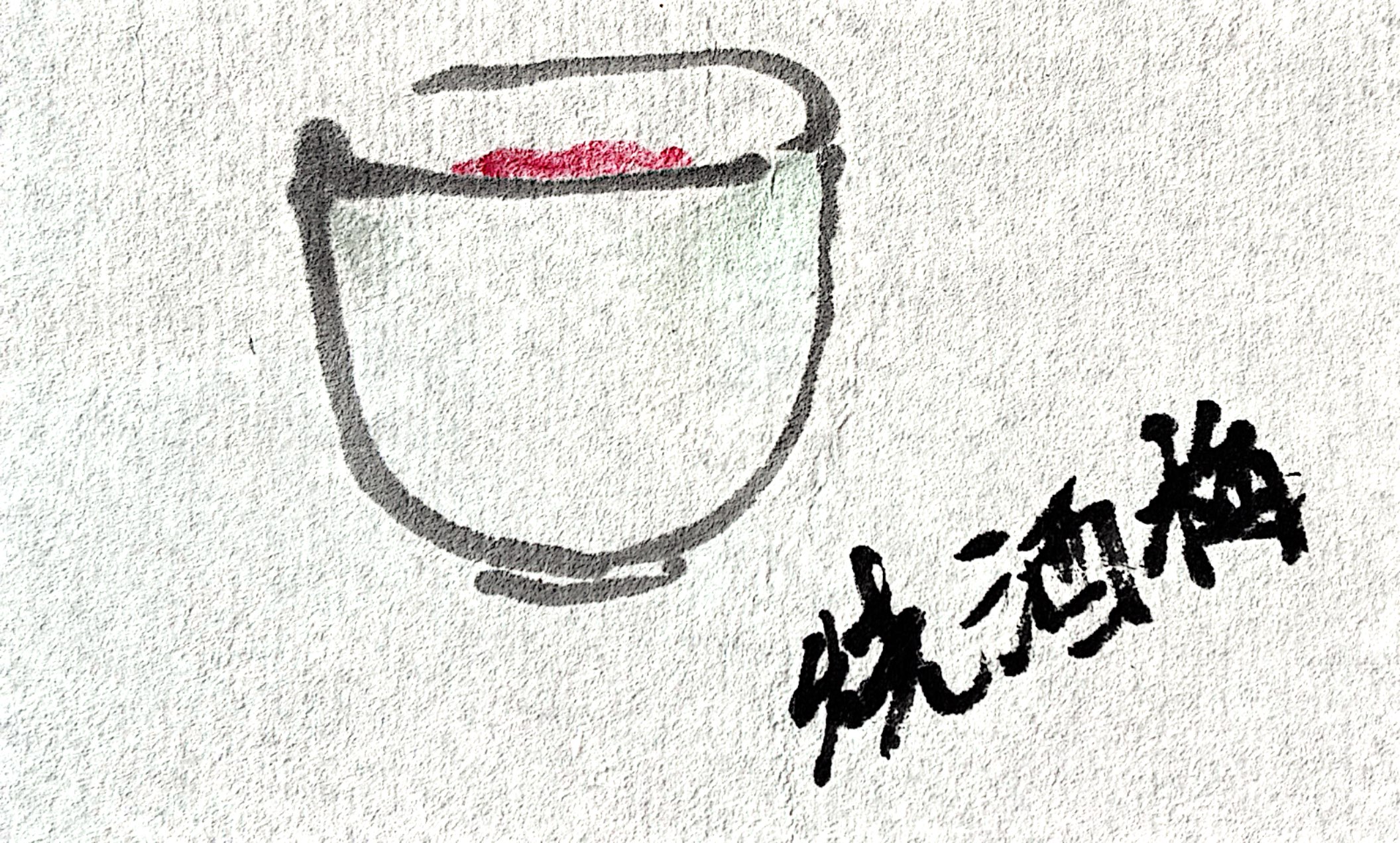
Four Moments of Waxberry (2026-7)
Four glimpses of waxberry: flesh, cluster, fruit, and wine. (梅梅梅没)
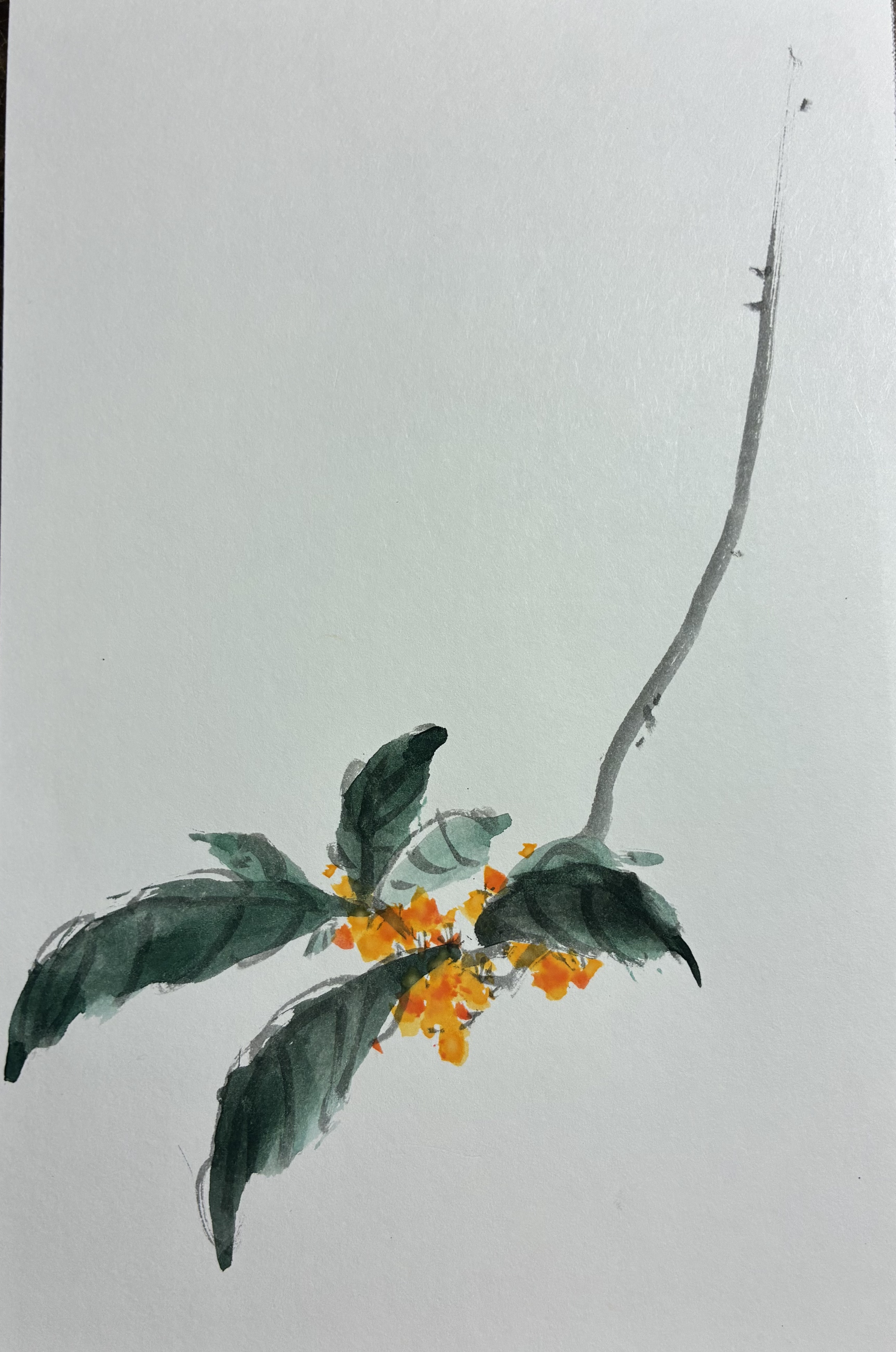
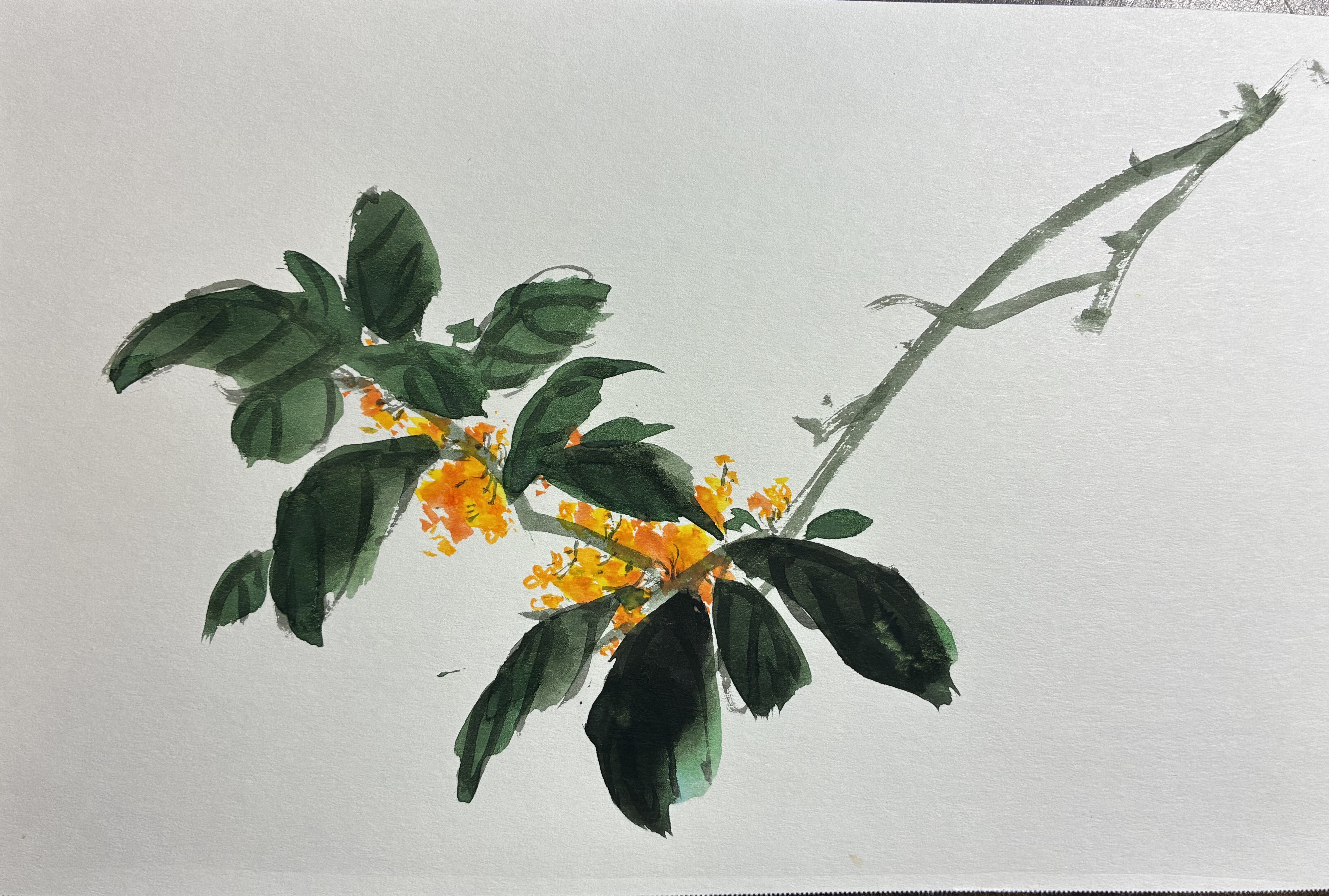
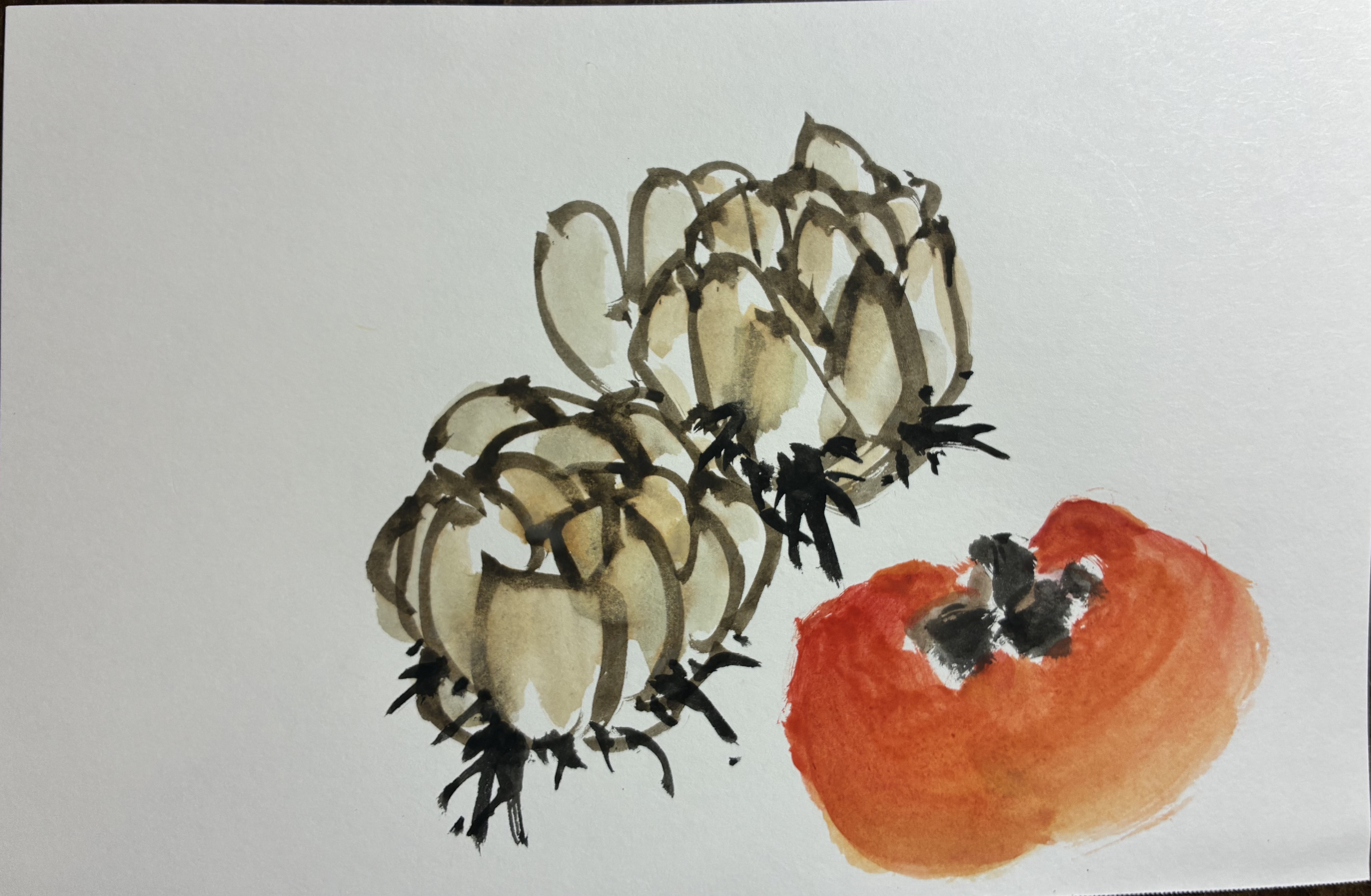
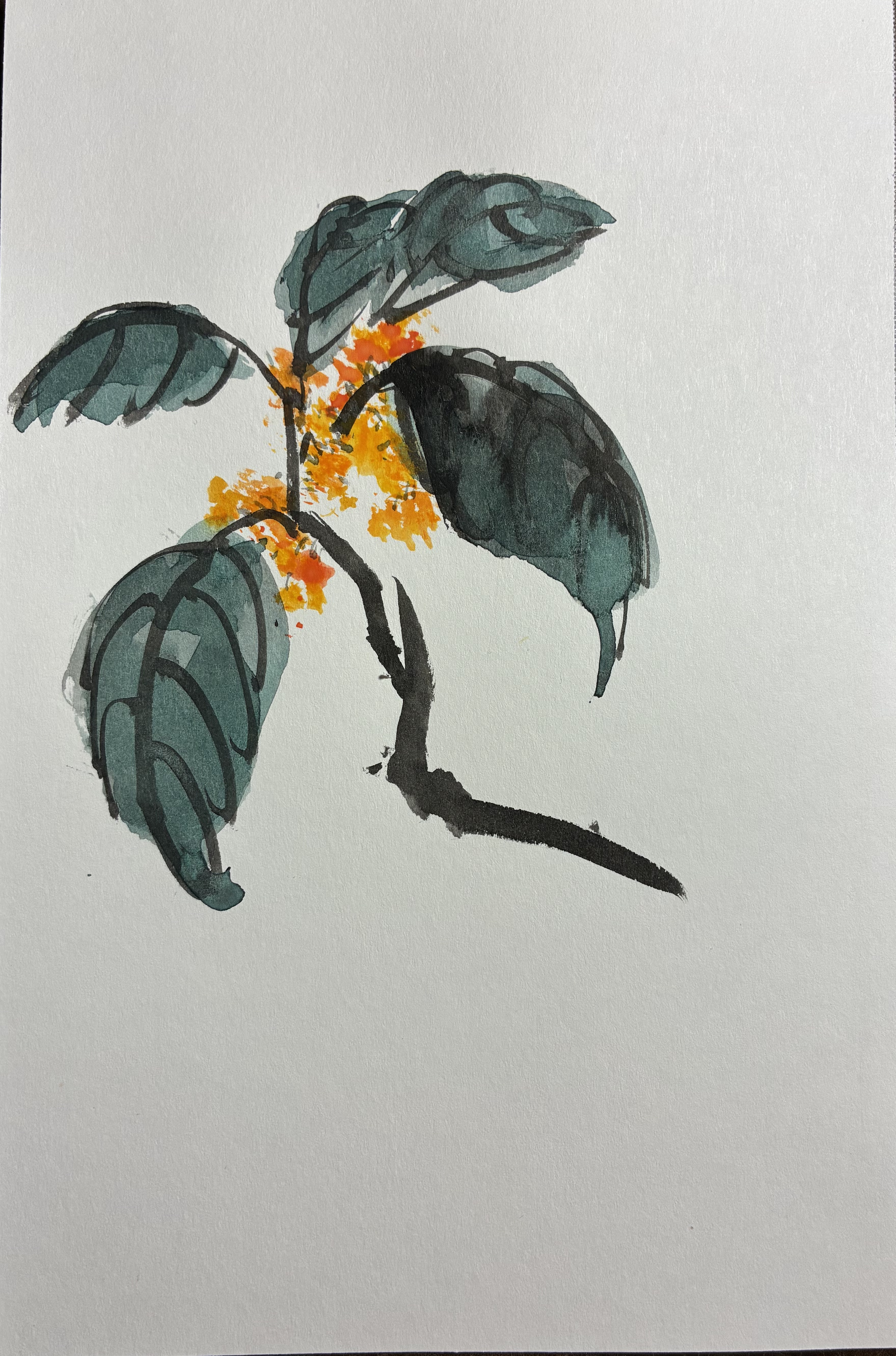
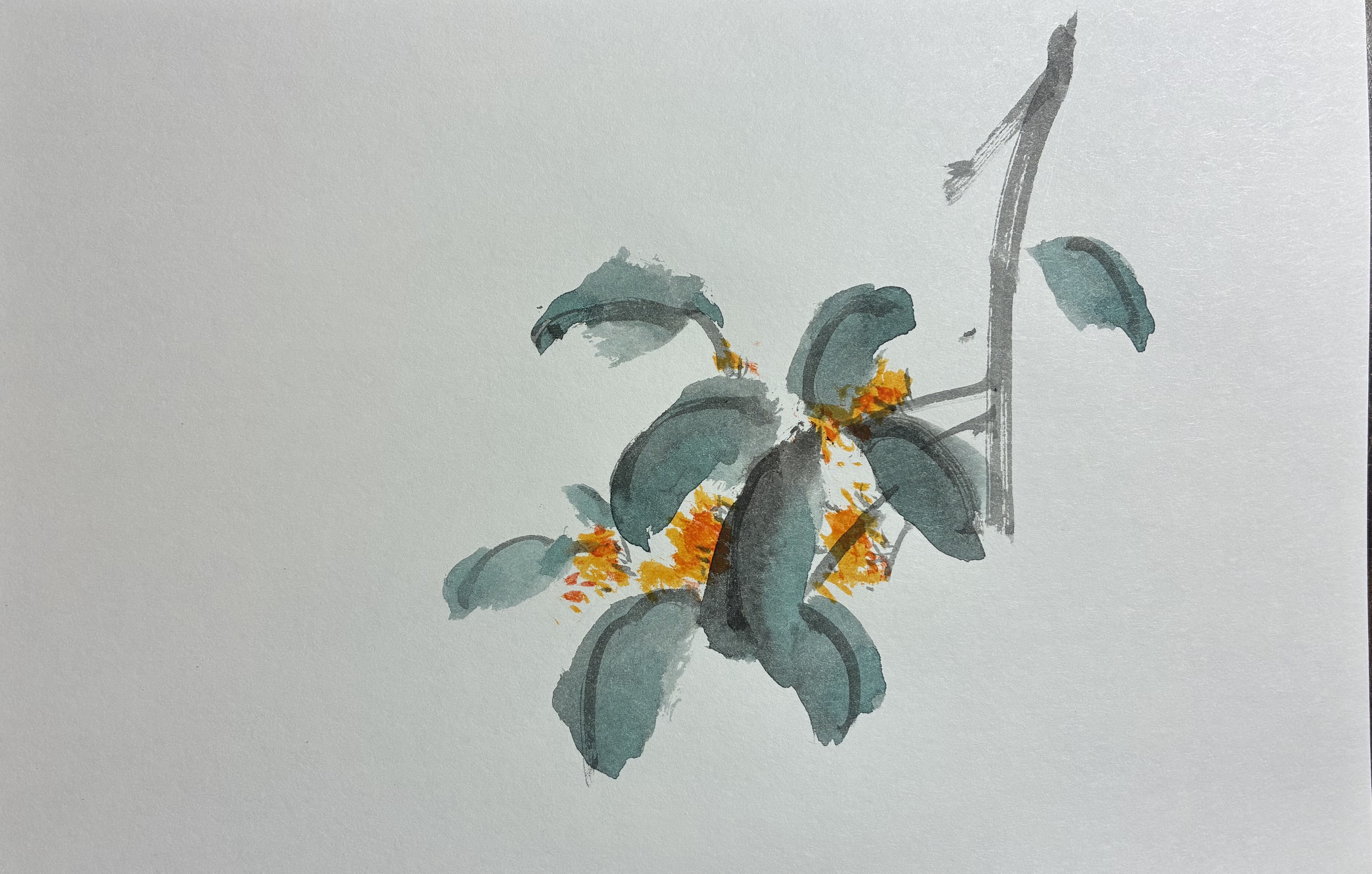
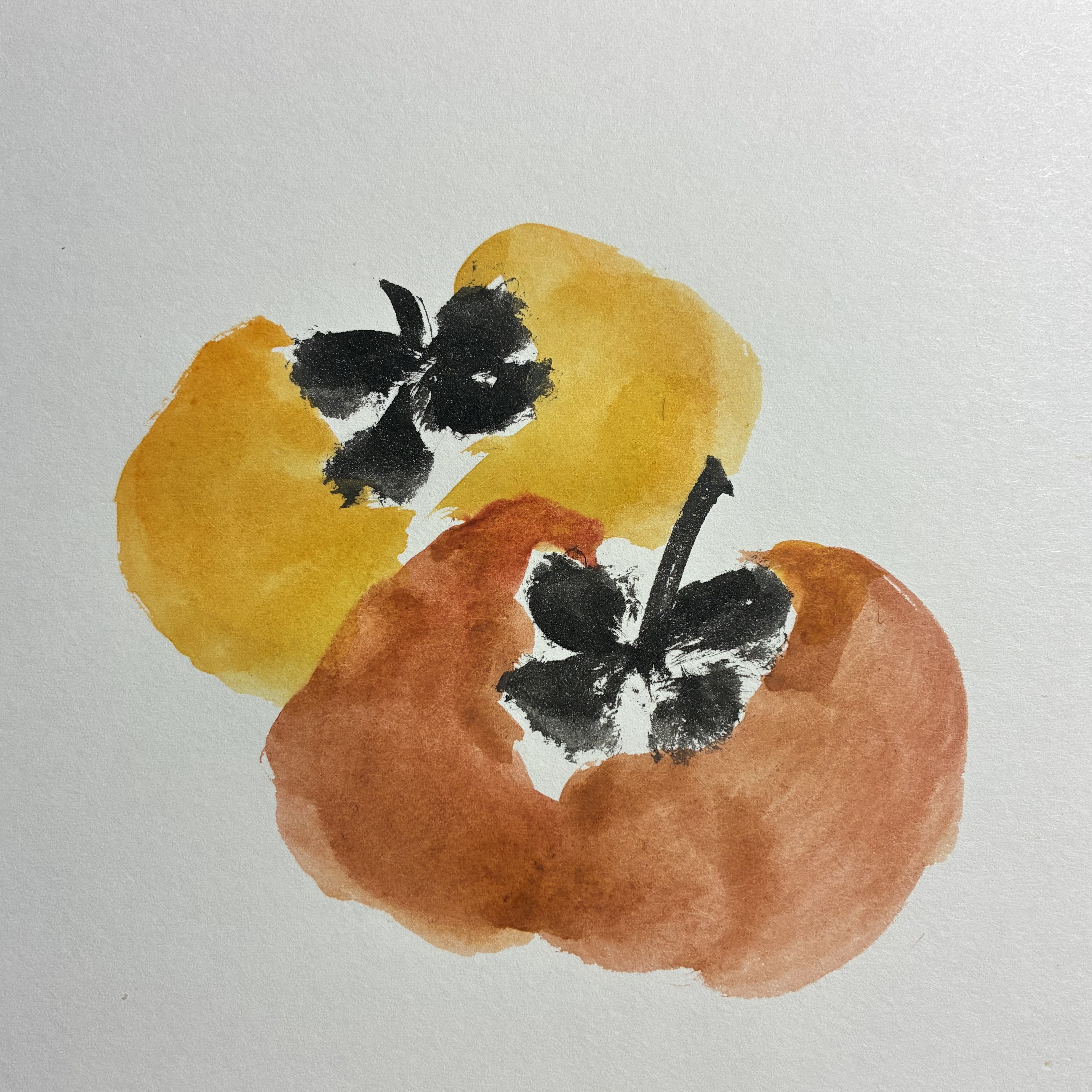
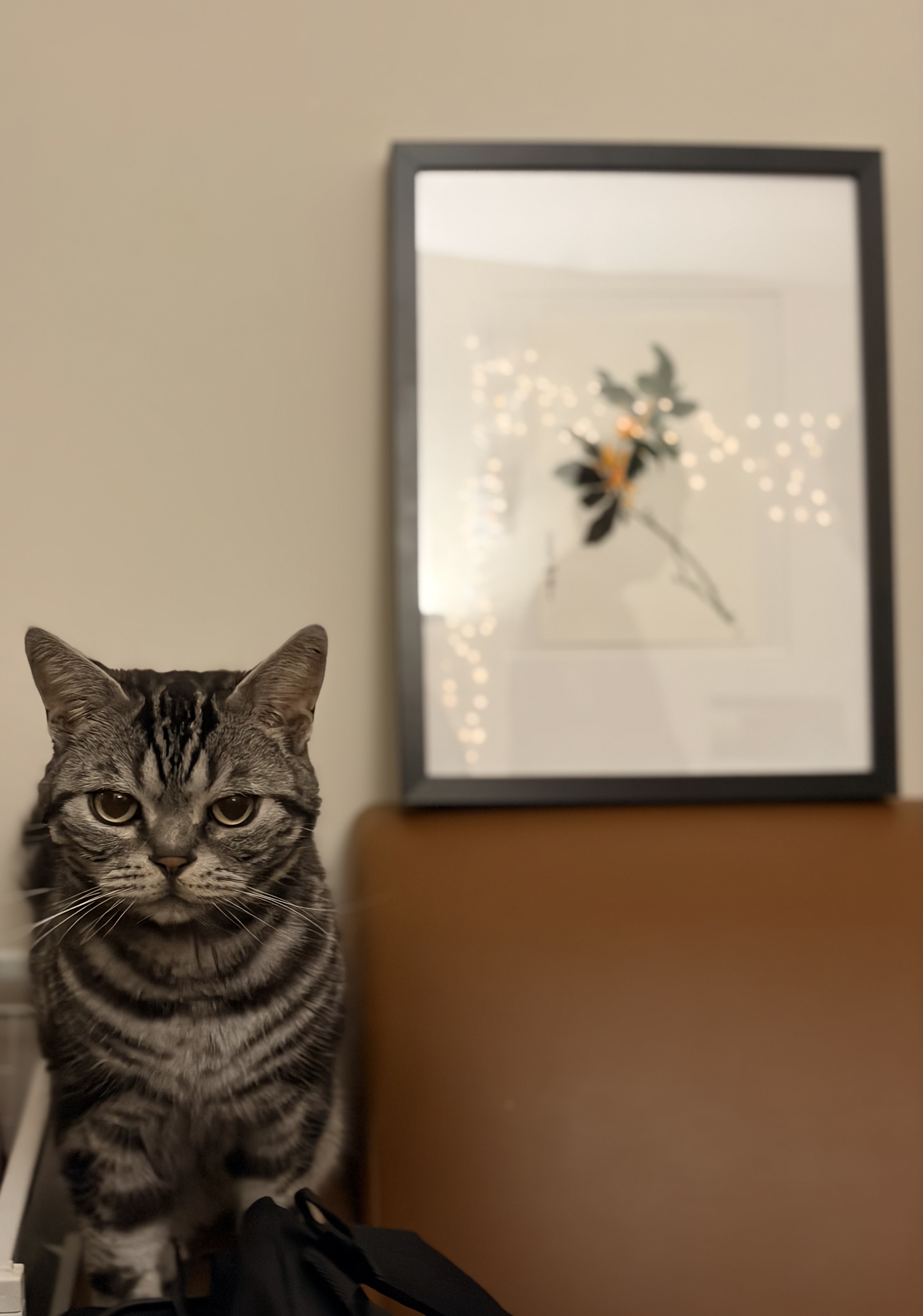
Mid-Autumn Miniatures (2025-10)
A collection of small paintings inspired by traditional Mid-Autumn Festival motifs, with selected studies from Zhu Lesan. Each element carries a symbolic wish: osmanthus for “折桂” (success), lily bulbs and persimmons for “百事如意” (happiness and success in everything).
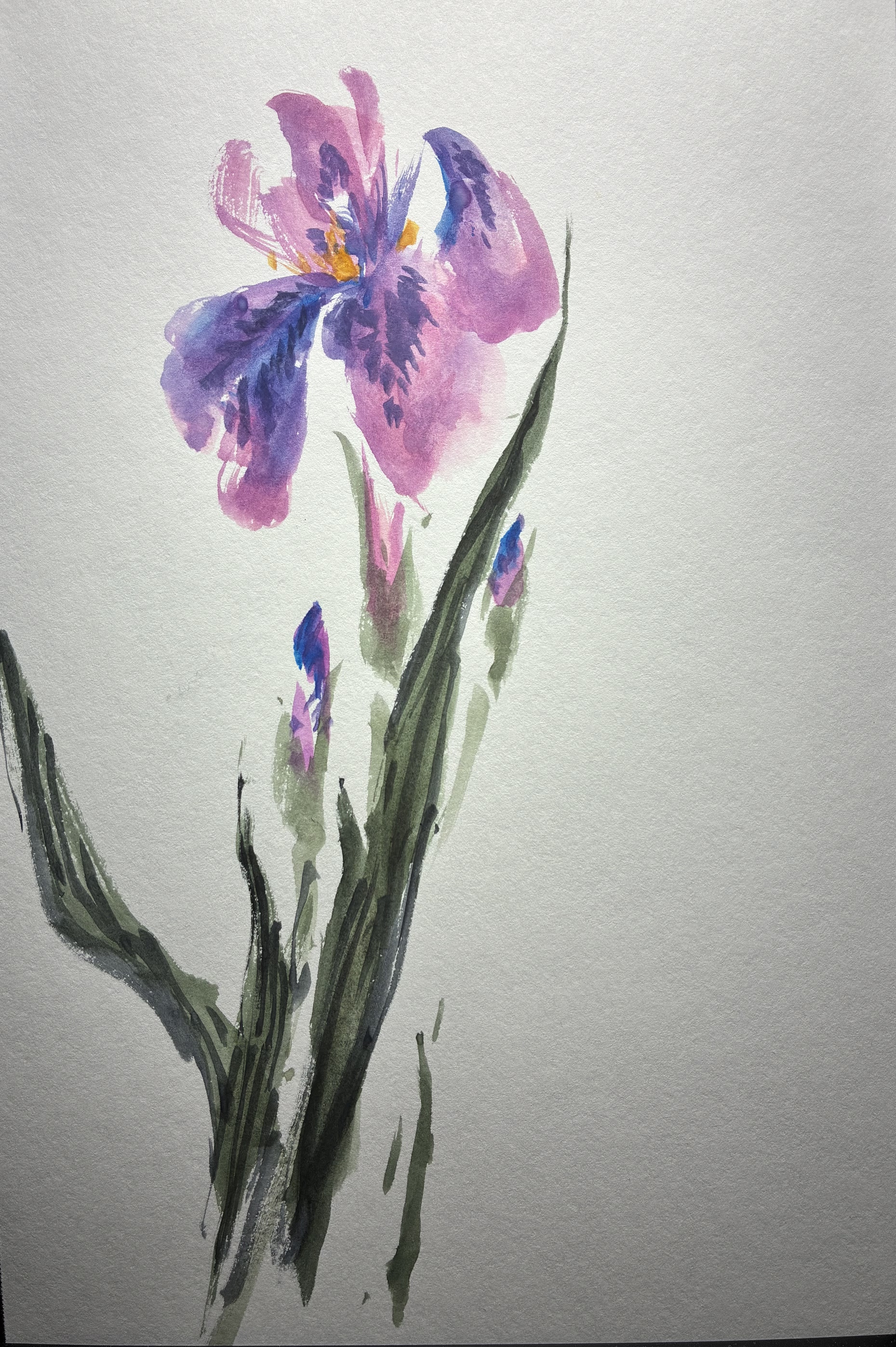
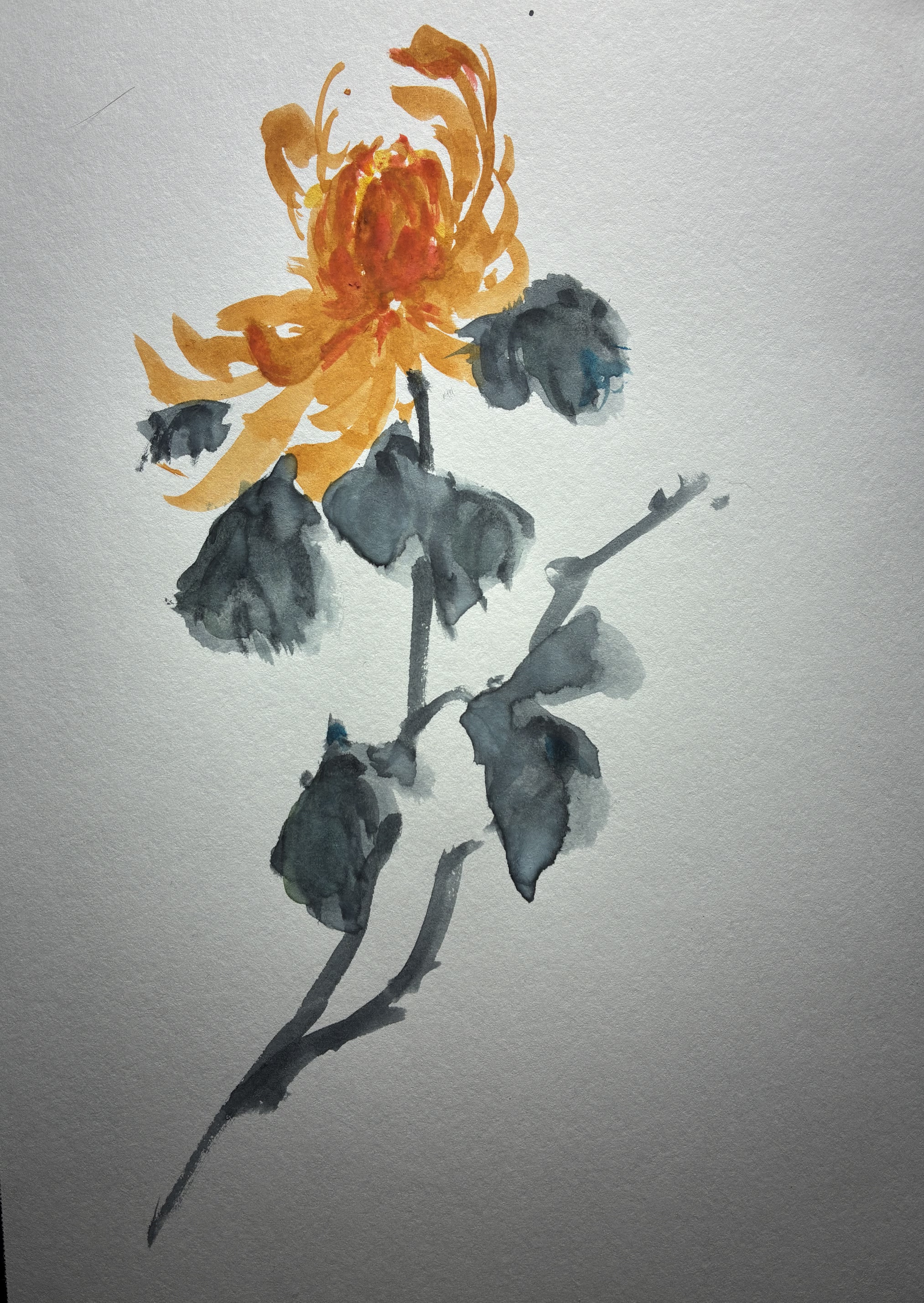
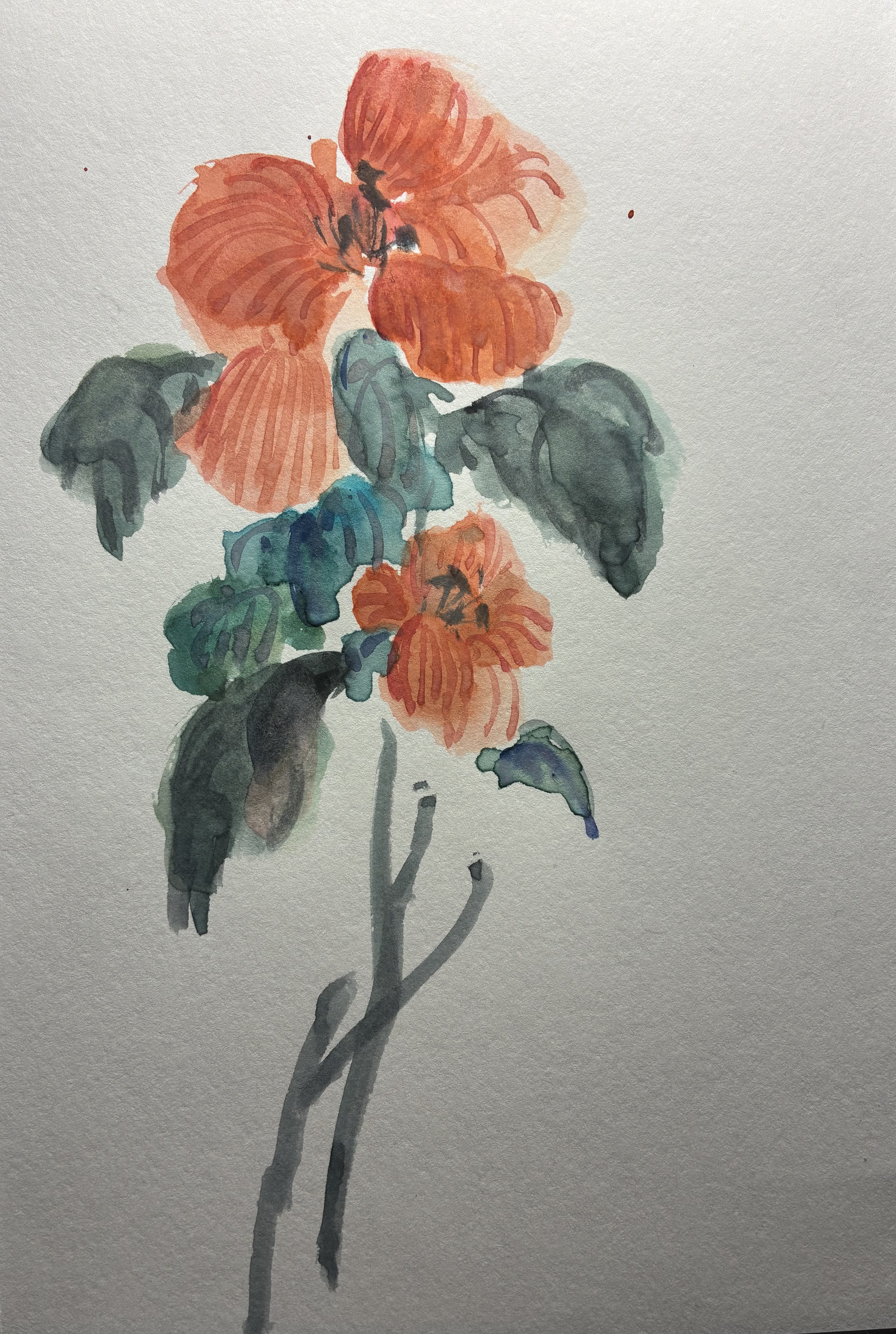
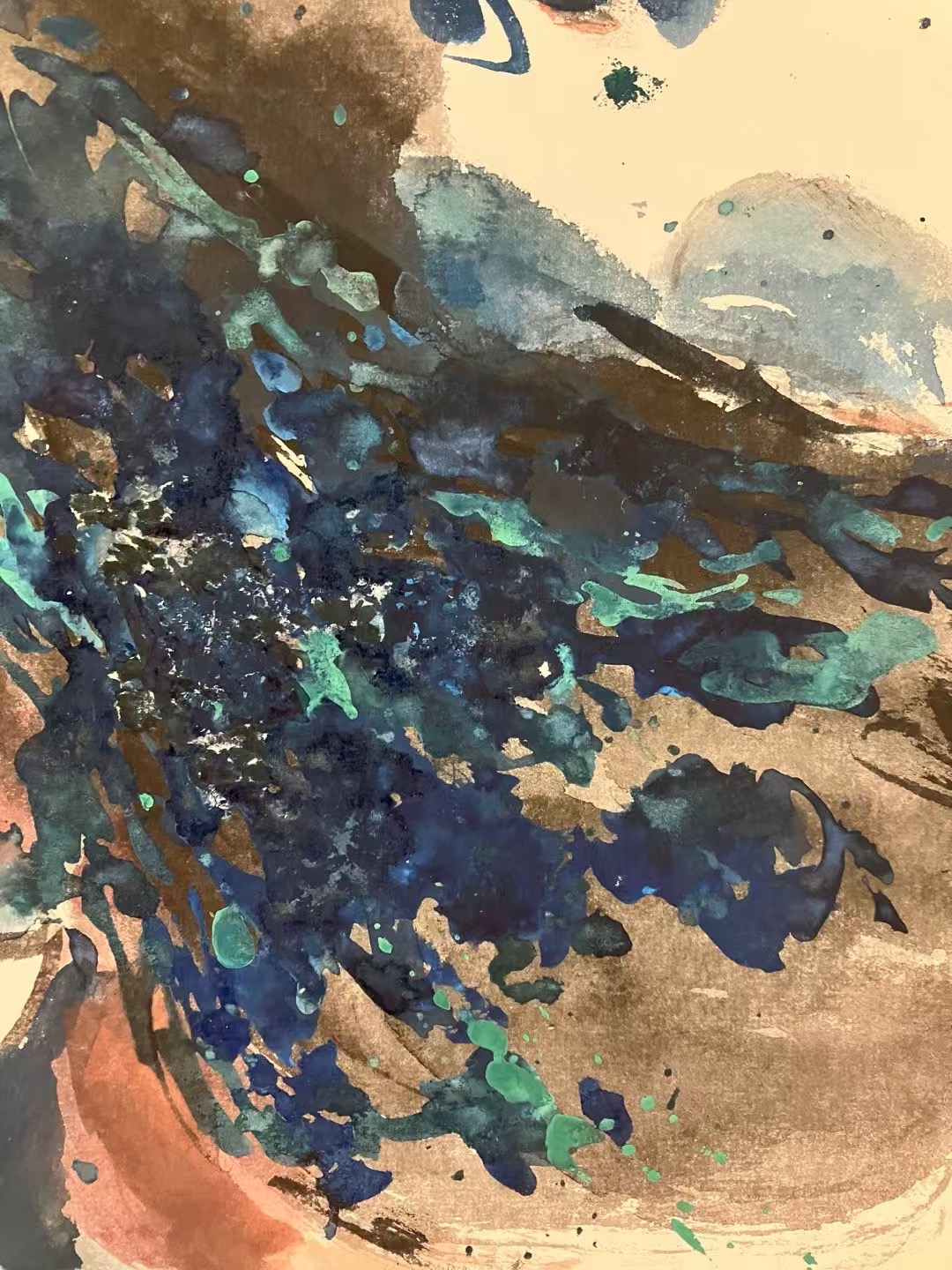
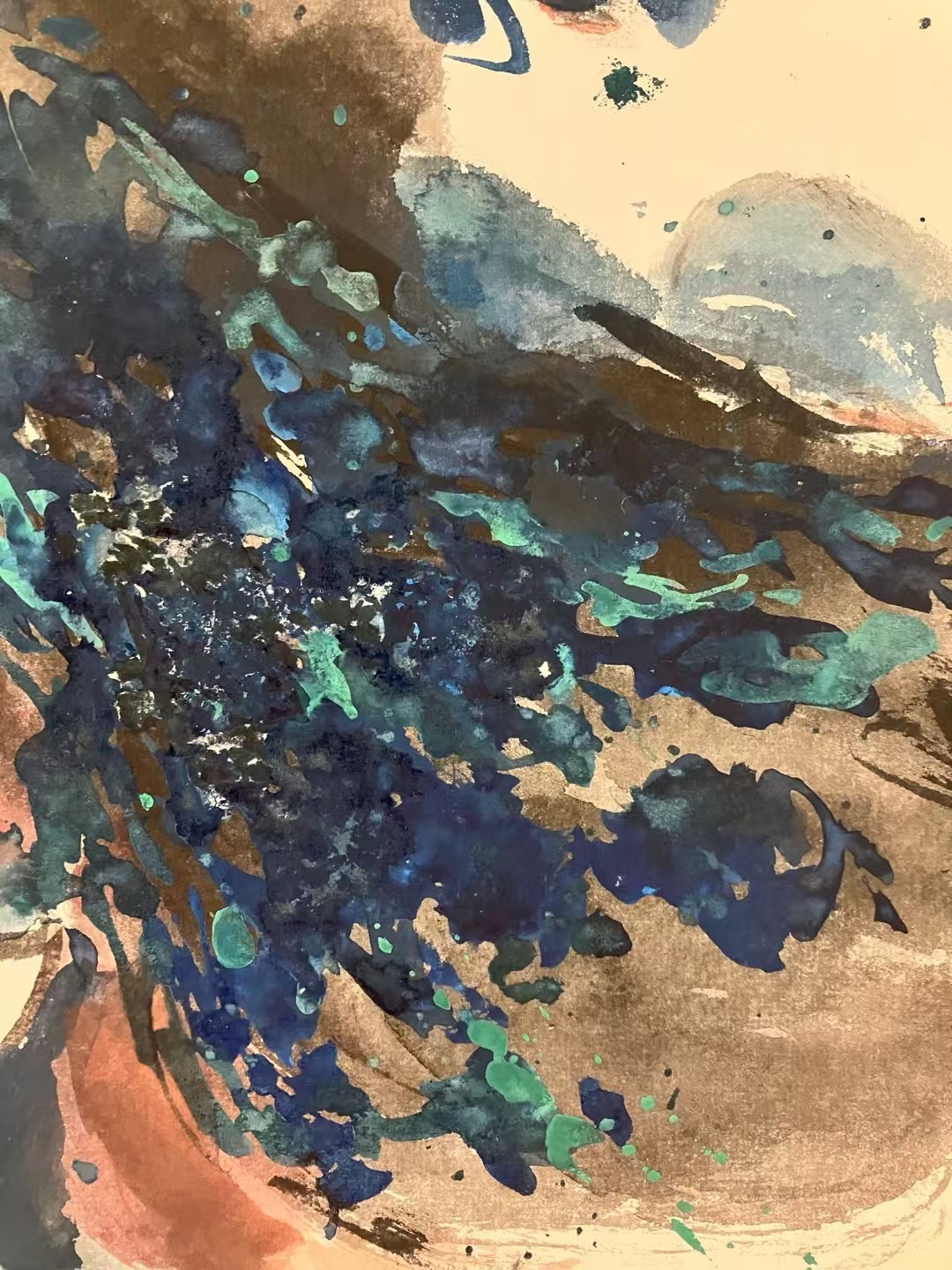
Blossoms in Watercolor (2025-09)
Floral paintings created with watercolor using traditional Chinese painting techniques.
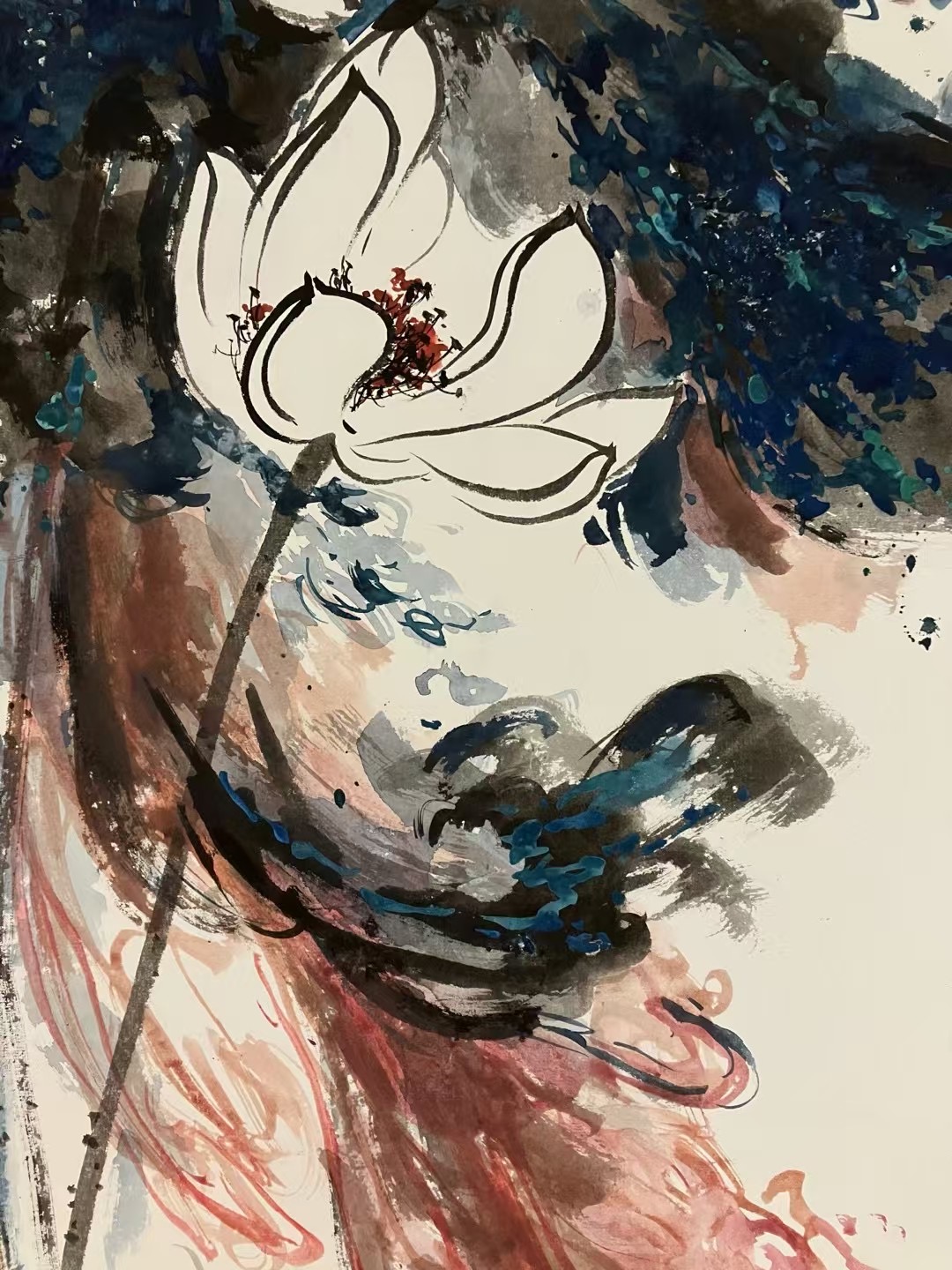
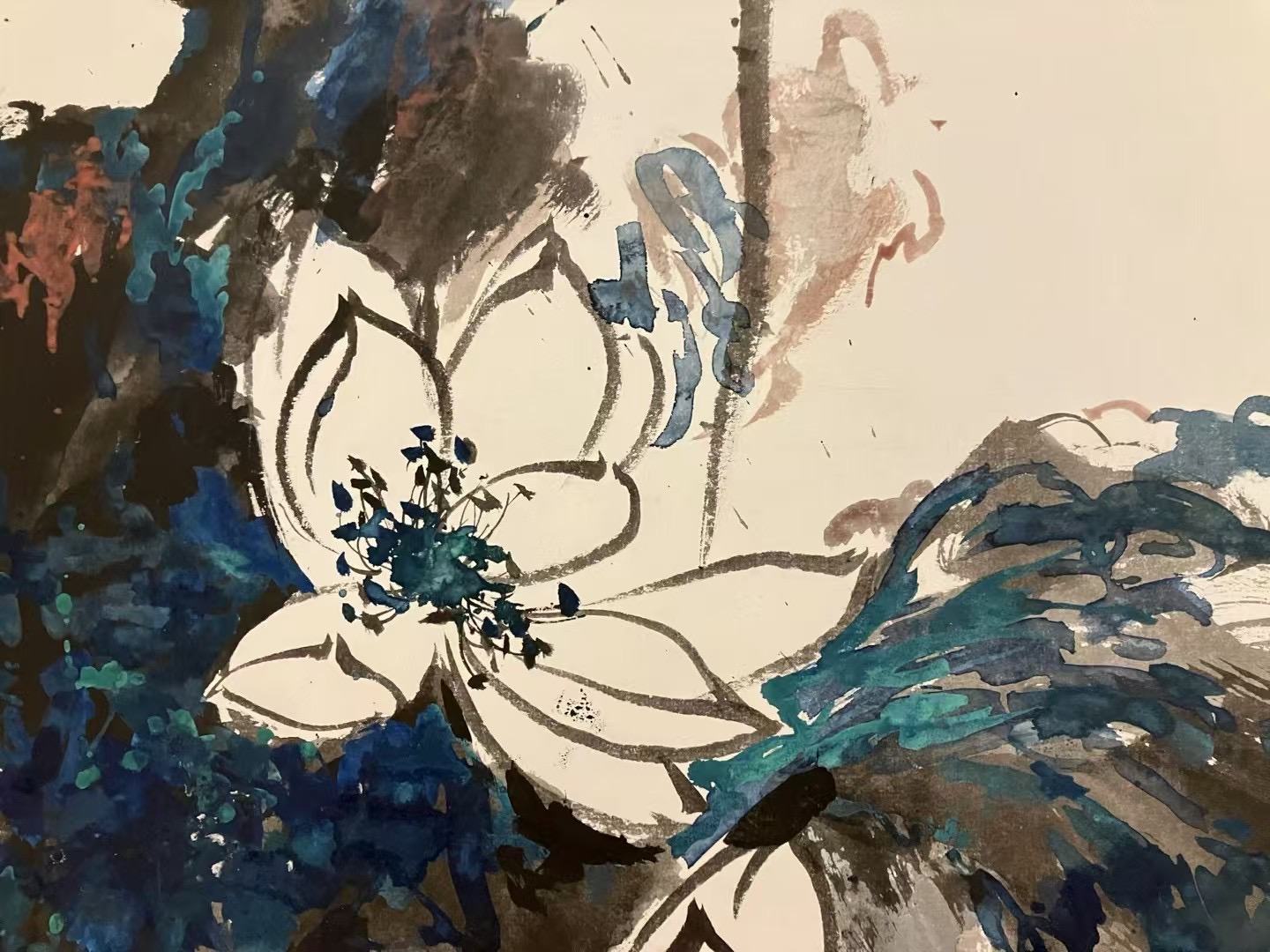
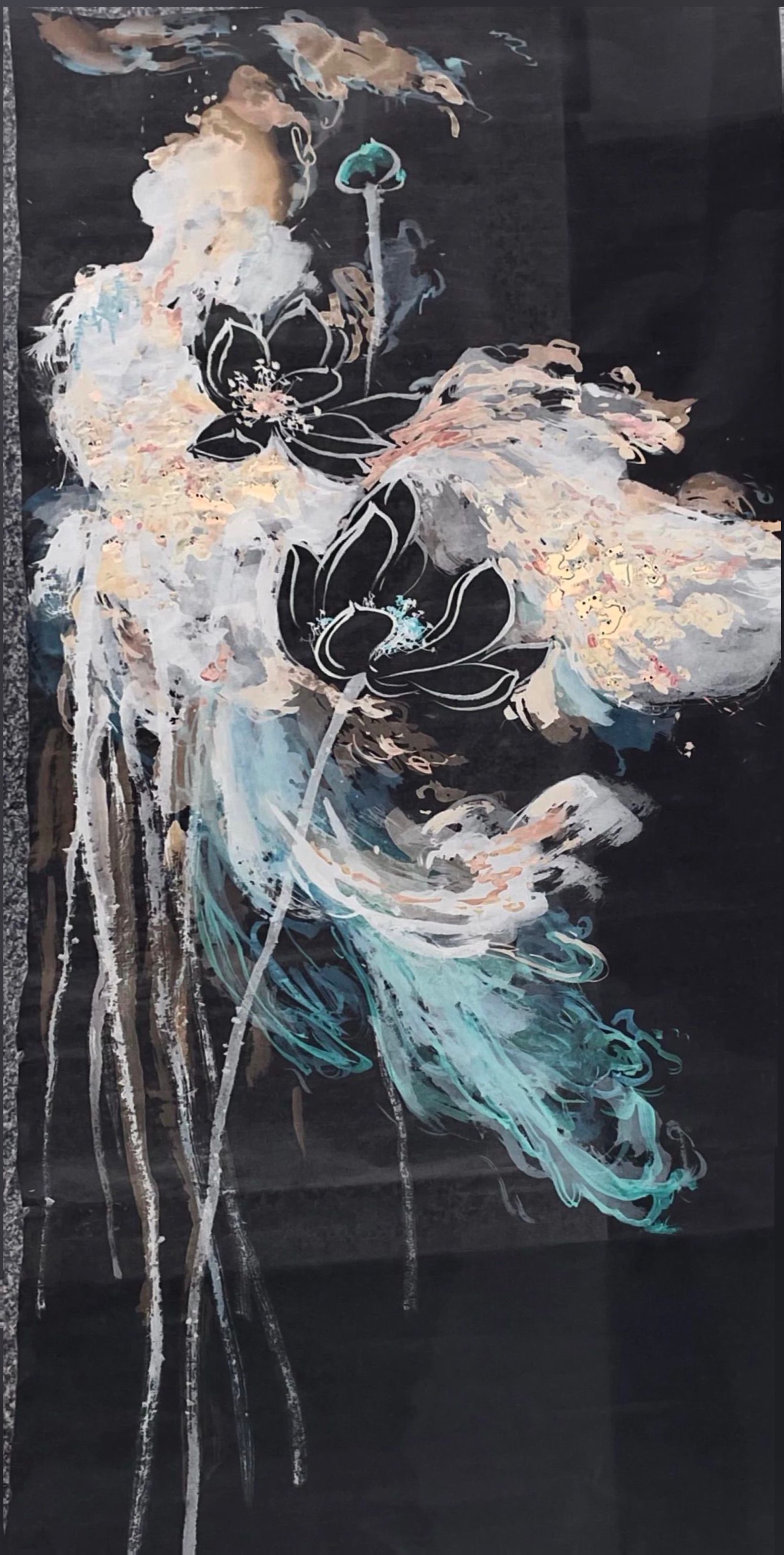
Surpass (2024-12)
A Chinese painting featuring lotus infused with elements inspired by Dunhuang “Feitian”. This piece received First Prize at the 2024 SJTU Nanyang Calligraphy & Painting Competition.
Fun fact: The competition theme was “Surpass”, and I originally intended to call it 《携手超越》 (Together, We Surpass).
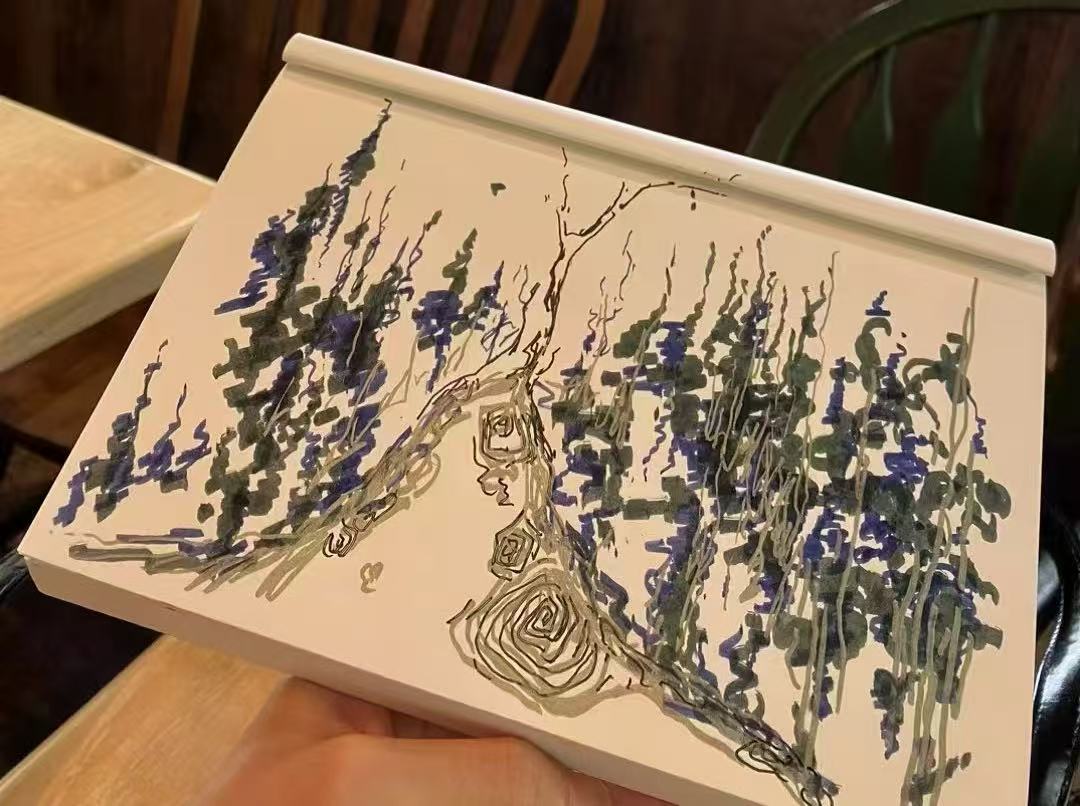
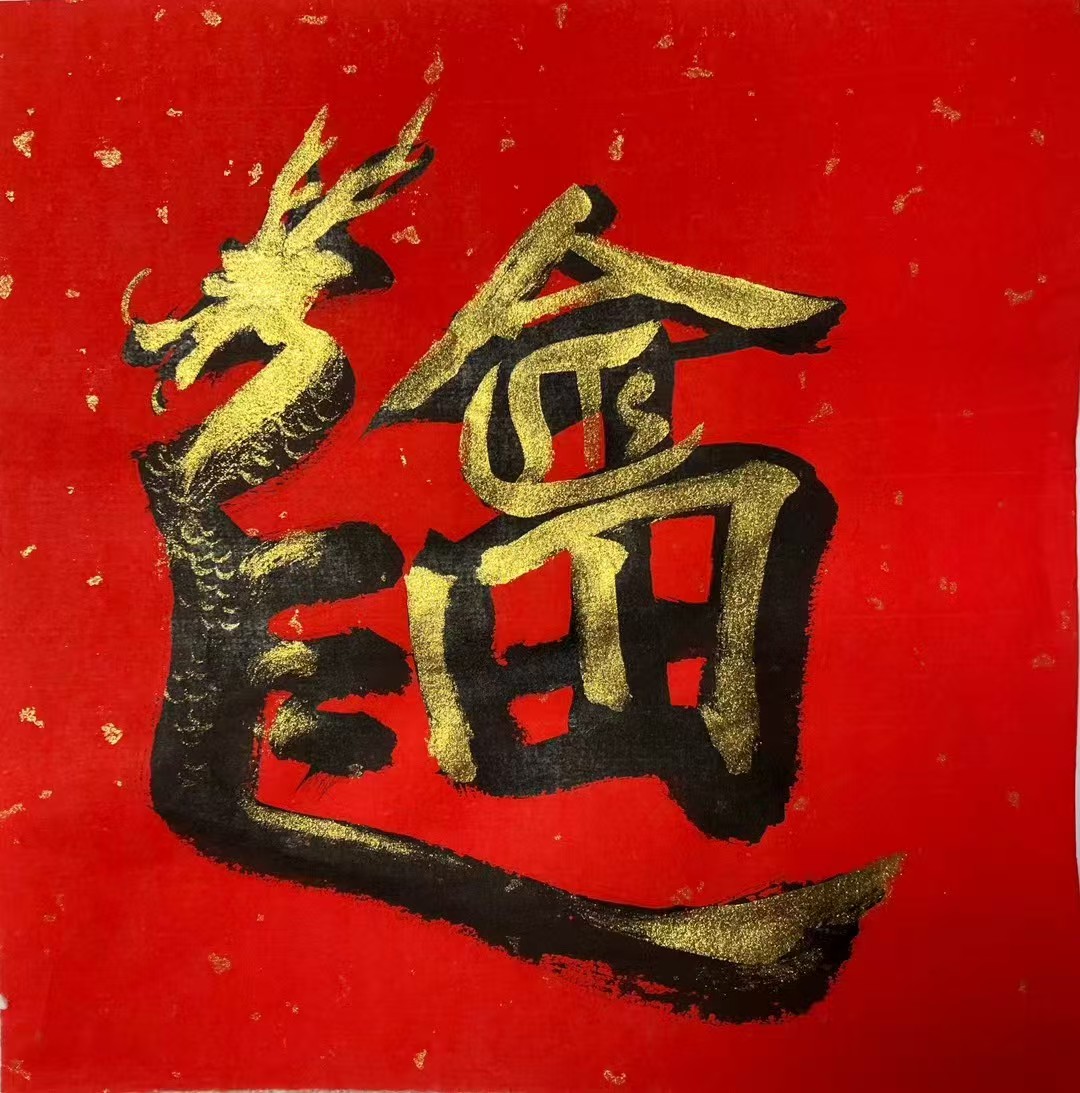
Fu (2024-02)
A calligraphic work featuring the character “福” (fortune), created as a 2024 New Year blessing for ACM Class. The gold-painted elements blend traditional symbolism with contemporary design: a dragon motif on the left, while the right side incorporates creative letterforms with the ACM class emblem.
The letterforms are inspired by artist XU BING

Lotus (2023-11)
Could I carve out a piece of rebellious persistence in this serene haven? (可否容许我在这方净土留一份不合时宜的倔强)
with selected studies from an unknown source
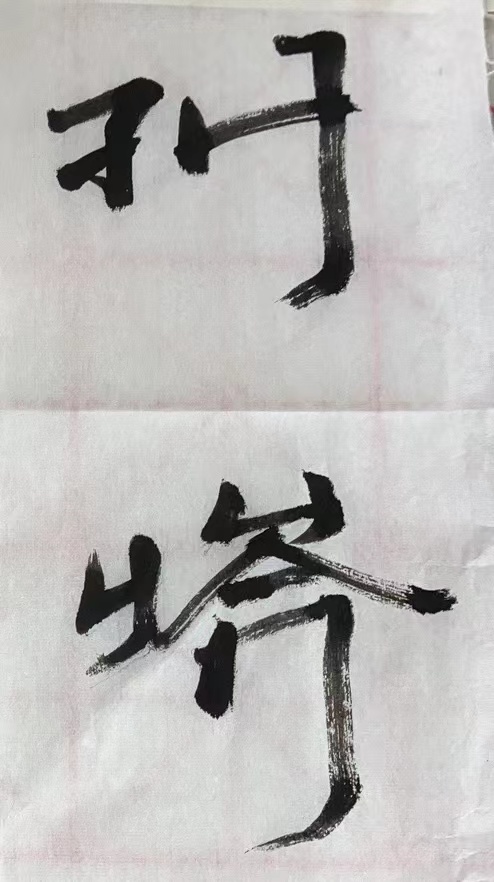
Zhiyuan (2023-04)
A creative interpretation of the Chinese phrase “致远”, inspired by XU BING. In this piece, the character is deconstructed and reconstructed using the letters Z-H-I and Y-U-A-N.
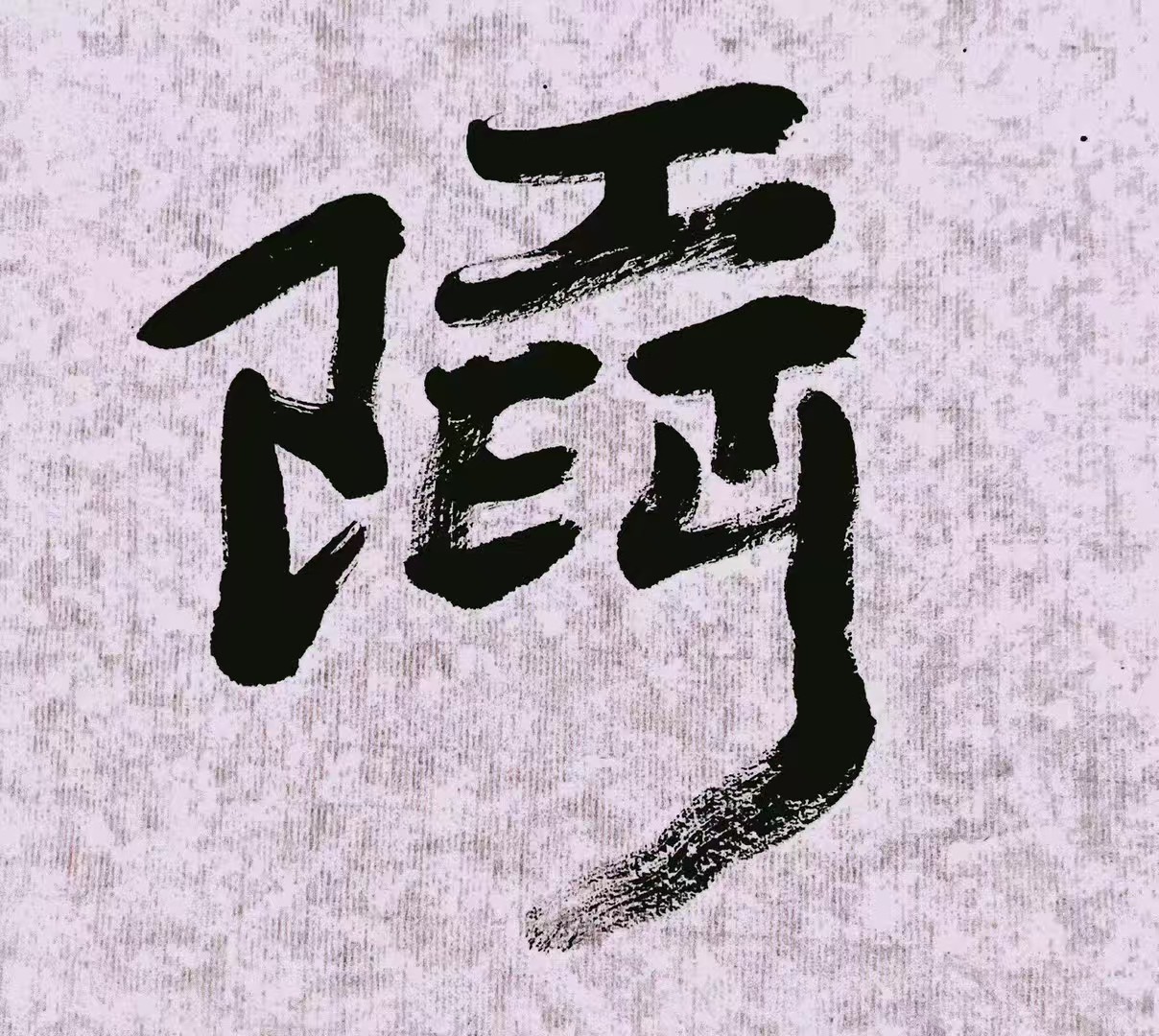
Xiao or Piety (2023-02)
A creative interpretation of “孝” (piety), inspired by XU BING. In this piece, the character is deconstructed and reconstructed using the letters P-I-E-T-Y.